
This month’s coffees are part of a new push for quality in Ethiopia, pushing into higher altitude areas due to climate change, and supporting smaller producers to produce very high end coffees. One of the driving forces behind this is CoQua, founded by Moata Raya and Ansha Yassin, who have enabled these smaller producers to export their coffees directly.
Hambela is a crisp washed lot by Tagel Alemayehu in Guji, while Dawencho is a wild Anaerobic lot by Mulugeta Muntasha in Sidamo.
Ethiopia
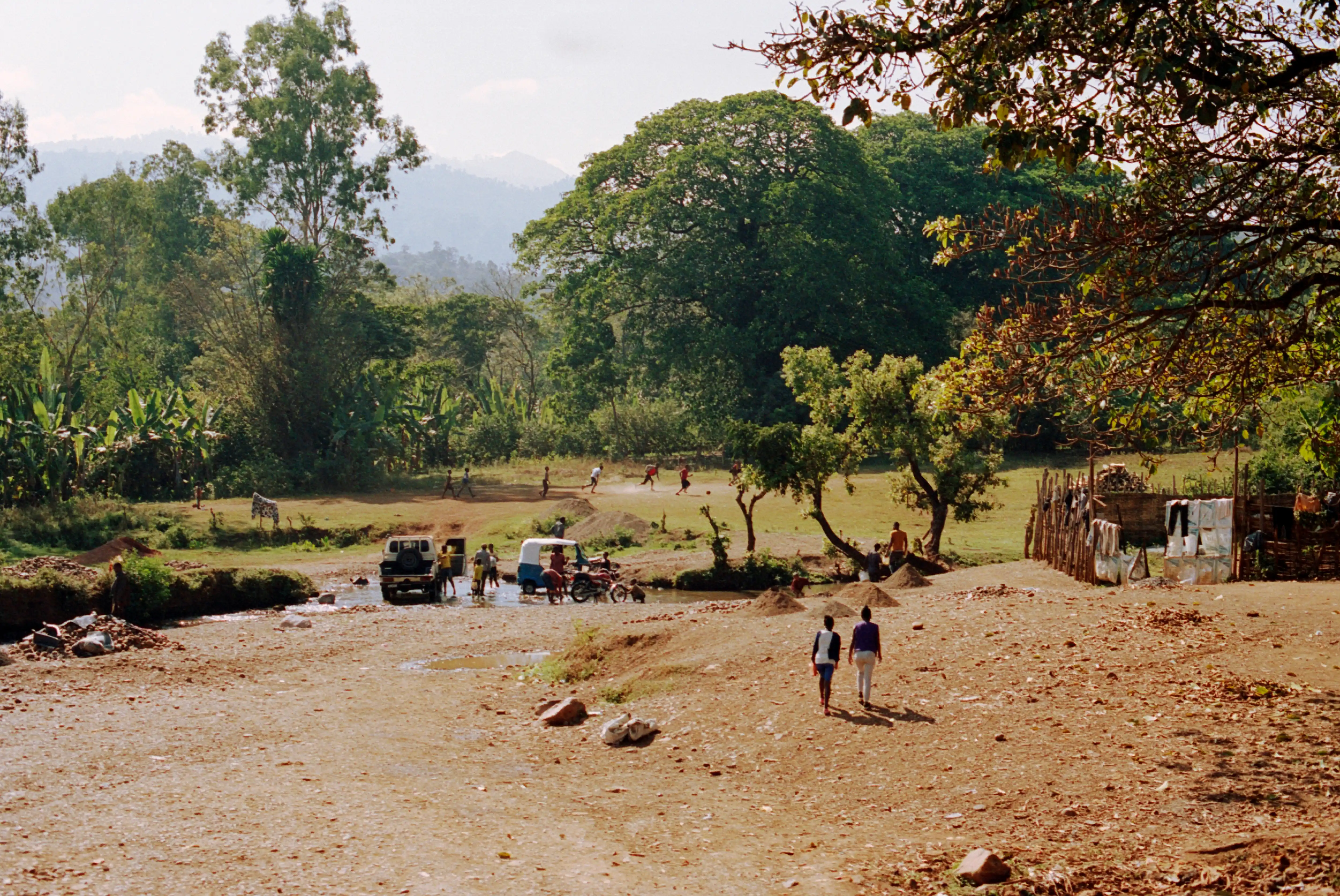
Both of this month’s coffees come from Ethiopia, one of the most intriguing coffee countries we work in. The rich culture and history of the Ethiopian people lead to a complex mosaic of impressions across the country, where travelling is a true privilege. Ethiopia is the second most populous country in Africa, and the world’s most populous landlocked country, leading to a wide and varied tapestry of ancient rural cultures which have been maintained due to Ethiopia’s status as one of the only countries in Africa which was never officially colonised.
While the capital Addis Ababa is generally safe, civil unrest between Ethiopia’s many ethnic groups has become a factor, especially since 2018, including the war in Tigray between 2020 and 2022. This has also affected coffee regions, for example delaying last year’s harvest in Guji due to ongoing unrest. However, through all of this, Ethiopia continues to produce excellent coffee, a testament to the resilient and hard-working rural population. Coffee is Ethiopia’s largest export, producing nearly half a million tonnes each year, and bringing in more than a third of Ethiopia’s total foreign income. Ethiopia is fairly unique compared to other coffee producing countries, in part due to its lack of colonial past and associated resource extraction, in that more than half of the coffee produced here is consumed in the country. Ethiopia’s proud and rich history with coffee is clear to see all over the country, where coffee consumption is an event celebrated with the famous coffee ceremony.
-1-v1754489689110.webp?6554x8192)
The viability of new regions at higher altitude is an interesting challenge for Ethiopia’s fast moving coffee industry. Providing agronomic support to many small new producers is vital in order to maintain the quality and iconic flavour profile of Ethiopian coffee.
One of the driving forces behind this movement is CoQua, founded by Moata Raya and Ansha Yassin. Moata and Ansha previously worked together at international agricultural NGO Technoserve, and are experts in farming and farm management, as well as quality control and value chains. It was during their tenure that Technoserve supported the building of the Duromina, Nano Challa and Biftu Gudina cooperatives, which became iconic in the speciality industry around a decade ago. Now, it is Moata and Ansha’s turn to push Ethiopian coffee forward again, by supporting new coffee producers on the high plains of Sidamo, in areas where coffee wasn’t viable just a decade ago. They have begun their work in connecting these producers to relevant buyers, who can pay premium prices for their excellent quality. We are excited to be on this journey with CoQua, having been introduced last year through our American friends at Crop to Cup.
Tagel Alemayehu
Tagel Alemayehu grew up in Bule Hora, Guji, so coffee has always been in his life. His father was a local coffee trader, who built the first washing station in the village and pushed for more professionalism in the sector, installing better equipment in the stations and dry mills in the area. Tagel pushed forward with this work in his own professional life, managing one of the first stations producing speciality natural coffee in Guji from 2004. Tagel’s work in Guji led to many of those iconic blueberry jam-like cups that opened many of our eyes to naturally processed coffees all those years ago.
Olkai Coffee
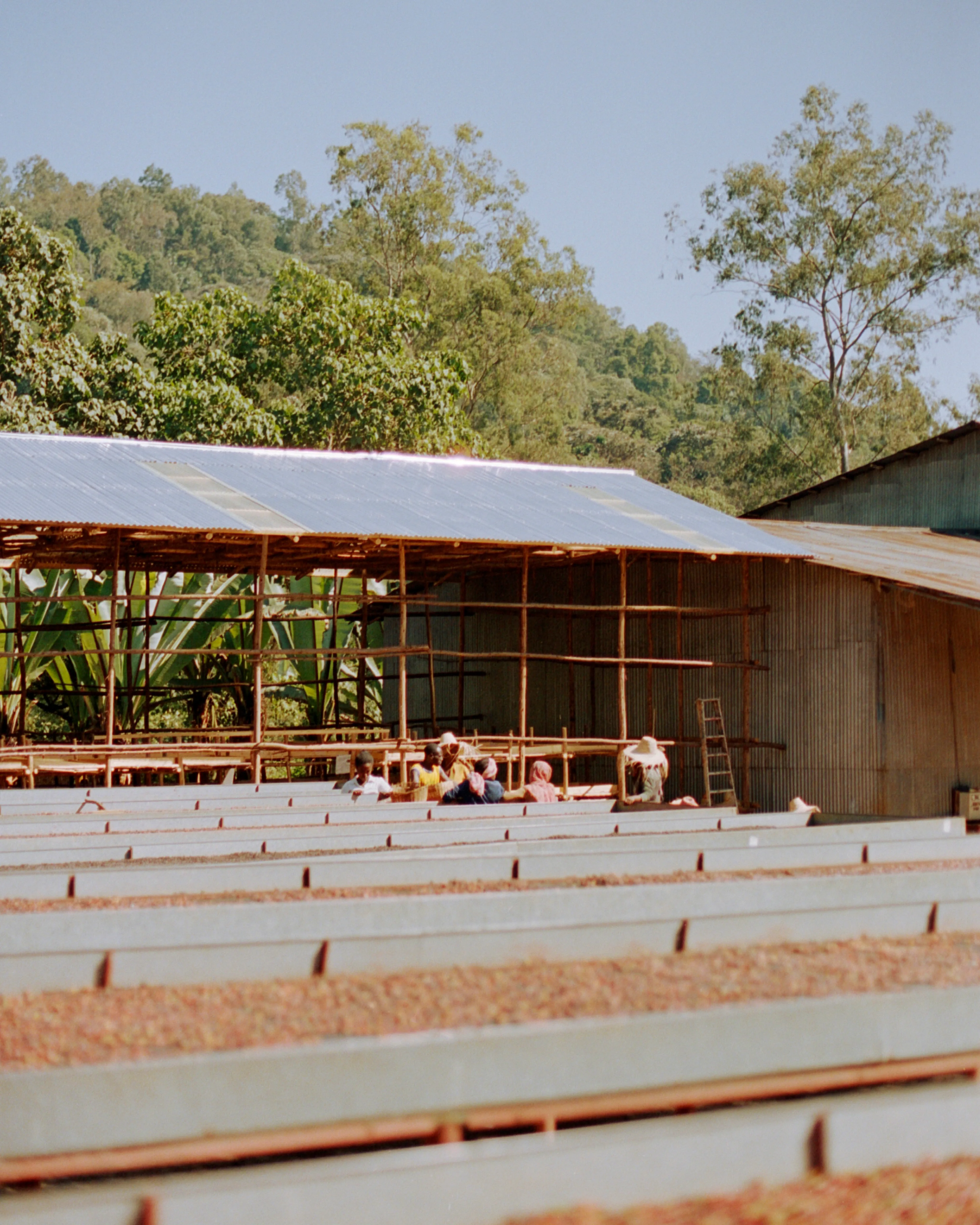
In the intervening years, Tagel worked his way around the coffee industry, working with several different export and producing companies, alongside a stint as a professional racing driver. in 2018, he founded Olkai Coffee in response to the opening of Ethiopian export regions, for the first owning the whole supply chain, from cherry to export. Tagel now operates 6 stations in the south of Yirgacheffe and over the border into Guji, in some of the regions which promise to produce excellent quality now and in the future. Some of these regions weren’t viable for coffee until recently; climate change is pushing the ideal conditions for coffee higher and higher in altitude.
The area around Tagel’s station in Hambela, Guji lies at over 2300 masl, with some producers growing coffee above 2400 masl. Tagel has distilled his years of experience into the practices here, resulting in some of the best coffees we have tasted recently from the Guji region. Here we find bright lemongrass up front, with aromatic citrus notes of lemon and lime in the cup; clean, lean and focused.
Mulugeta Muntasha
Mulugeta Muntasha grew up in the village of Bursa, located on the high plains of Harbegona in the Sidamo region. During Mulugeta’s childhood, not much coffee was grown around Bursa, so when he was old enough to work, he travelled to neighbouring Arsi to work as a truck driver, transporting coffee cherries from local farms to a private washing station. Mulugeta eventually started his own business, collecting cherry in Arsi and selling it on the local market.
-1-v1754491187608.webp?8192x5464)
Dawencho
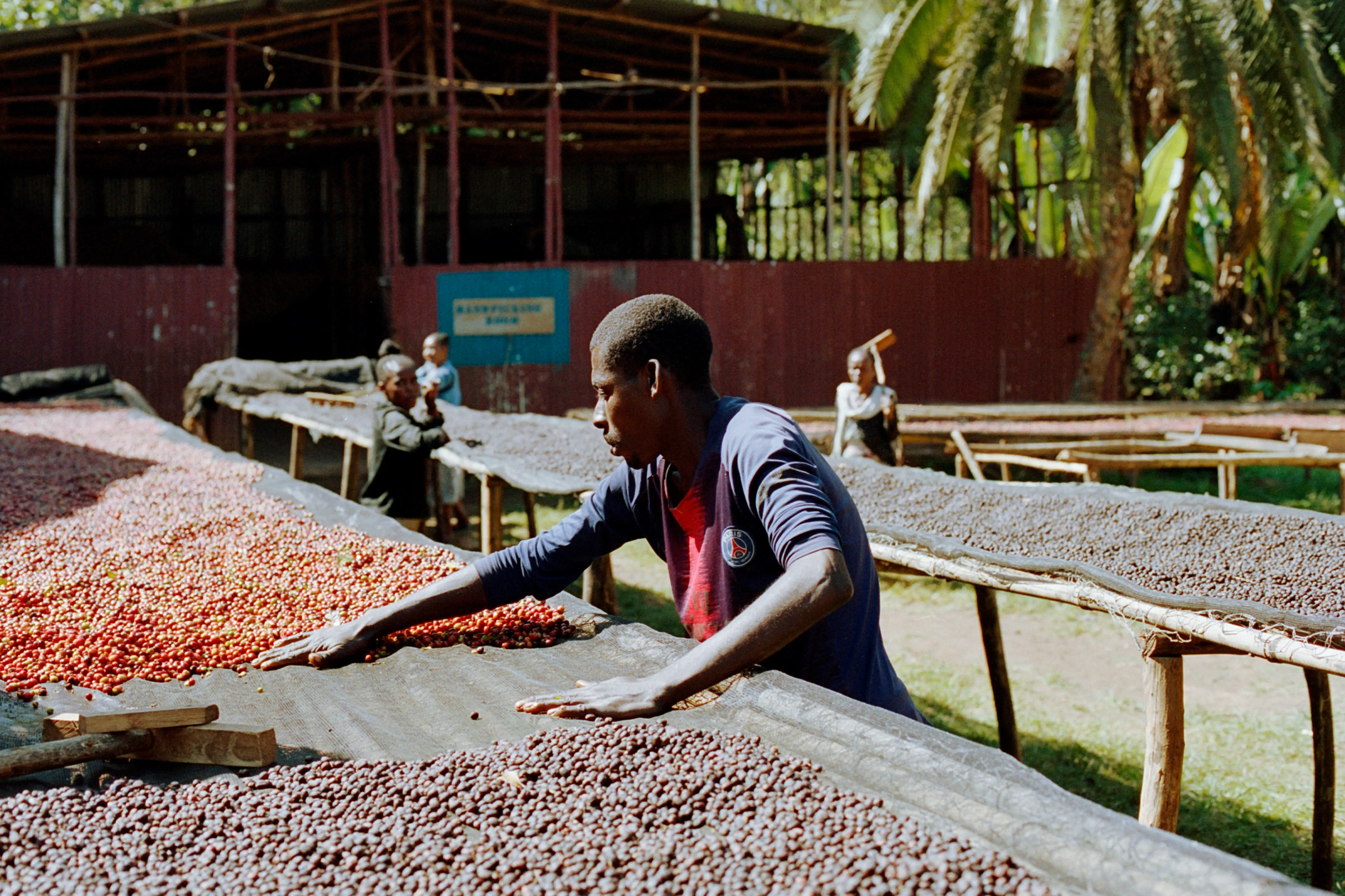
In the intervening years, Bursa became a viable coffee region. Climate change has pushed the ideal conditions for quality coffee higher and higher in altitude, meaning the 2200+ masl altitudes found in Bursa were suddenly prime territory. Mulugeta moved home, and began work on his own project, a large farm and washing station that would become known as Dawencho. His years of experience quickly paid dividends; in the 2022 Cup of Excellence, 4 of the top 10 lots were processed at Dawencho, including the overall winner, grown by Mulugeta’s brother-in-law Legesse Botola. This is our first year working with Mulugeta’s coffees, and his expertise in processing means we have been able to purchase several contrasting lots composed of cherries he purchases from local smallholder farmers, at dizzying altitudes often over 2300 masl.
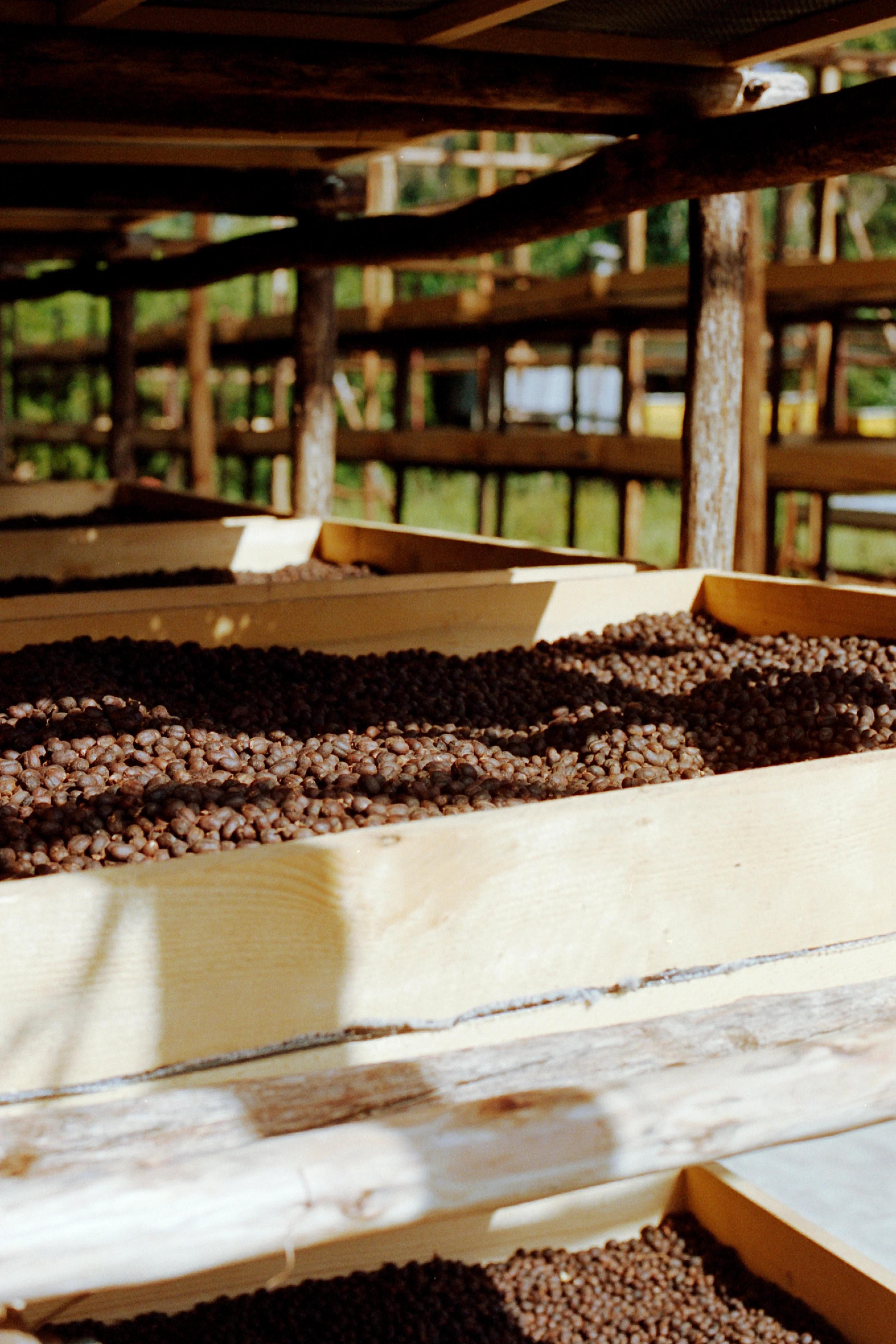
This anaerobic lot was one of the finest we tasted during this year’s rounds of cupping in Addis Ababa, with clear floral notes followed by a rich and complex cup with notes of strawberry and violet.
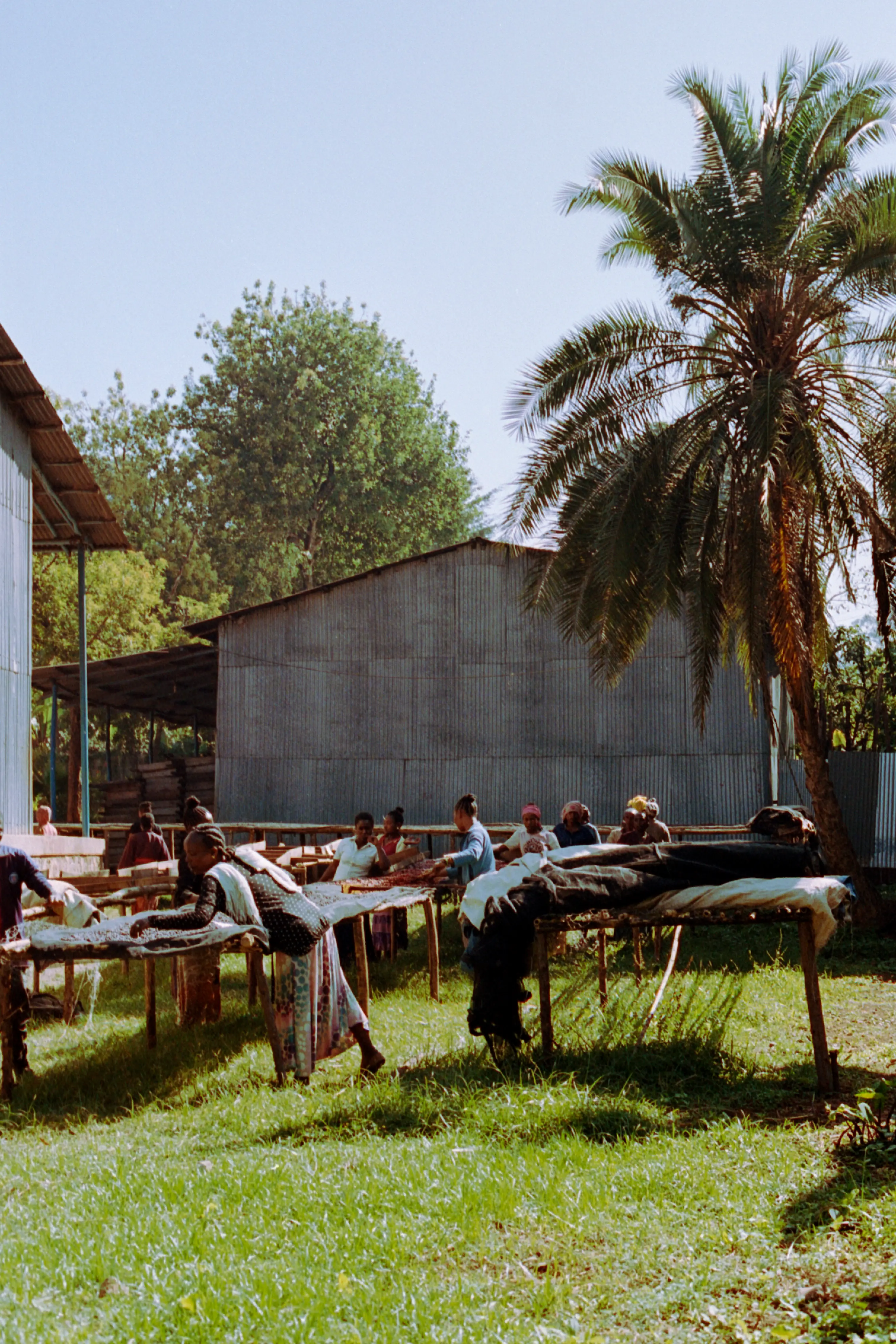
It’s a privilege to travel in Ethiopia.
Each trip is an attempt to understand the ever-changing facets of Ethiopia’s coffee chain, but also to uncover the history, culture and people that have formed the complexity and beauty of modern Ethiopia. We’re excited to present these two examples of Ethiopian coffees this month, and hope you enjoy both.
-1-v1754490901919.webp?8192x5462)