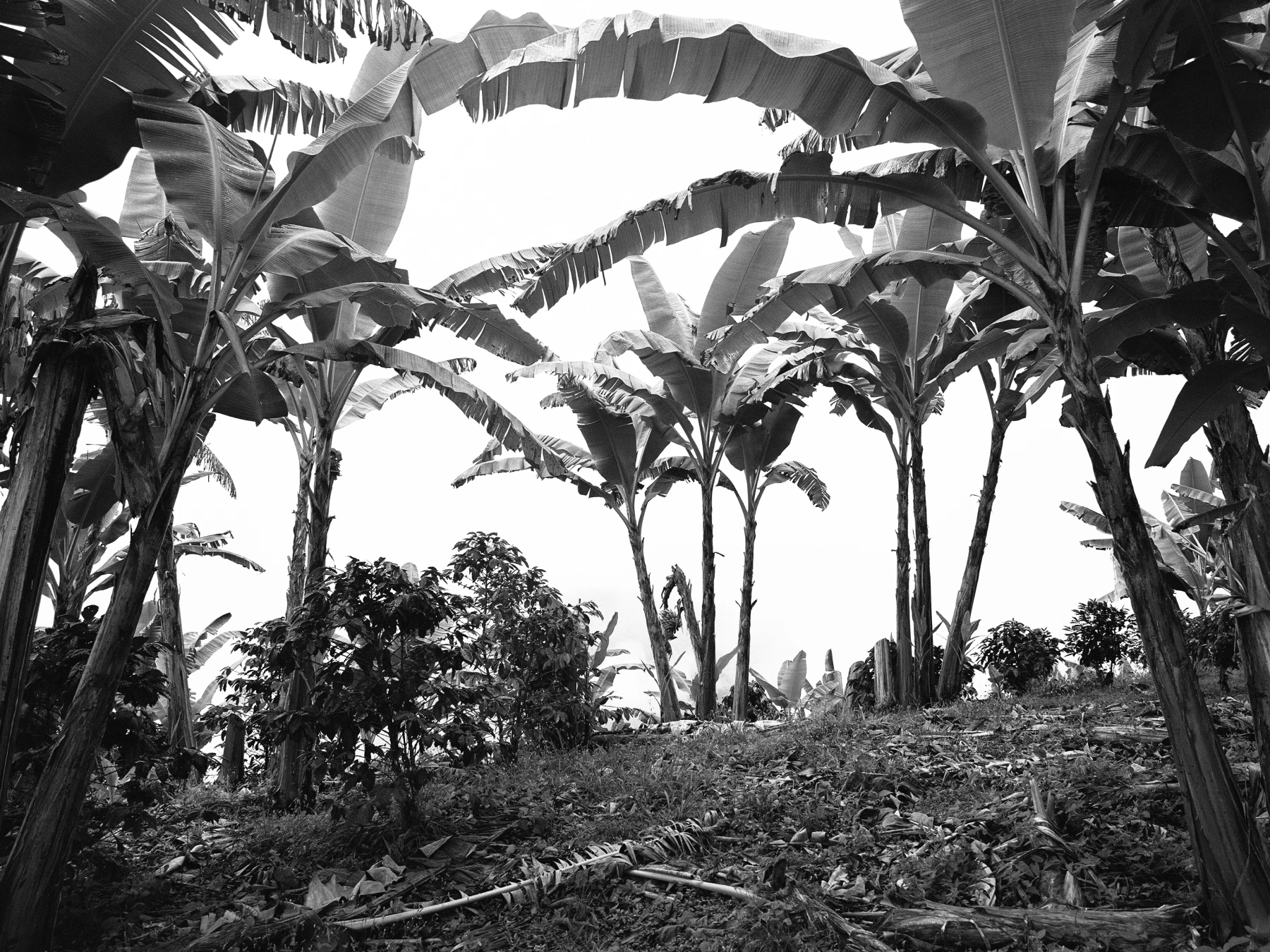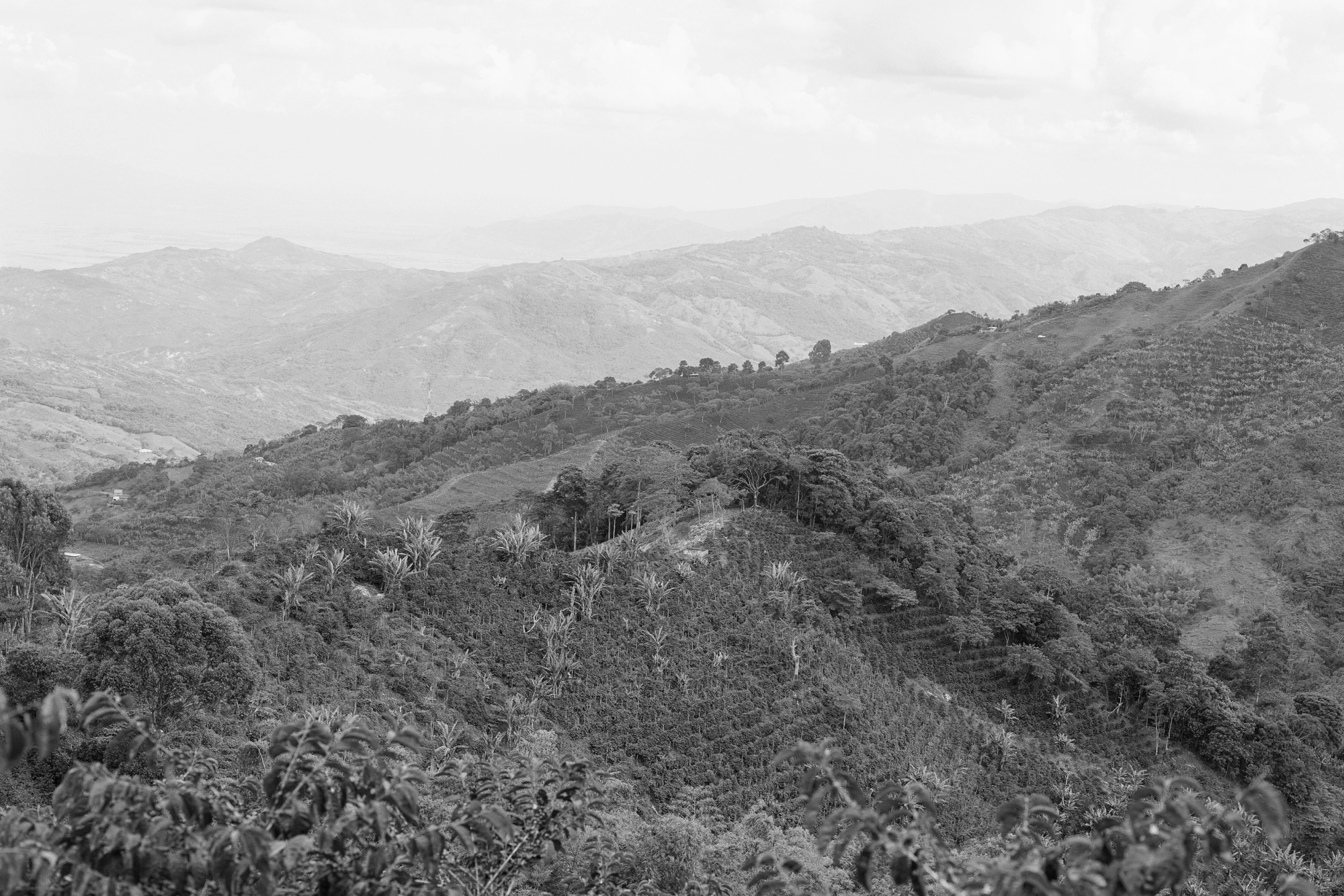
Colombian Caturra
This month we're focused on Caturra, the variety that helped put Colombia on the world coffee map. A natural mutation of Bourbon discovered in Brazil in the early 20th century, it spread across Latin America and became one of the most widely planted varieties among Colombia's smallholder producers, valued for its bright acidity, complexity and rich body.
Over the past two decades, Caturra has increasingly been replaced by rust-resistant varieties such as Castillo and Colombia. While these varieties offer greater resistance to coffee leaf rust, Caturra remains distinctive for the dynamic acidity, complexity and body it can bring to the cup. As a result, classic Caturra lots are becoming less common.
This month, we're showcasing Caturra in two community-grown expressions: a washed lot from CDNT in Northern Tolima, and a honey-processed lot from the Inga community in Nariño. Both come from small communities that have used coffee as a way to build resilience after years of adversity. Together, they offer two different perspectives on the variety, while highlighting the classic Colombian character that made Caturra so important to the country's coffee history.
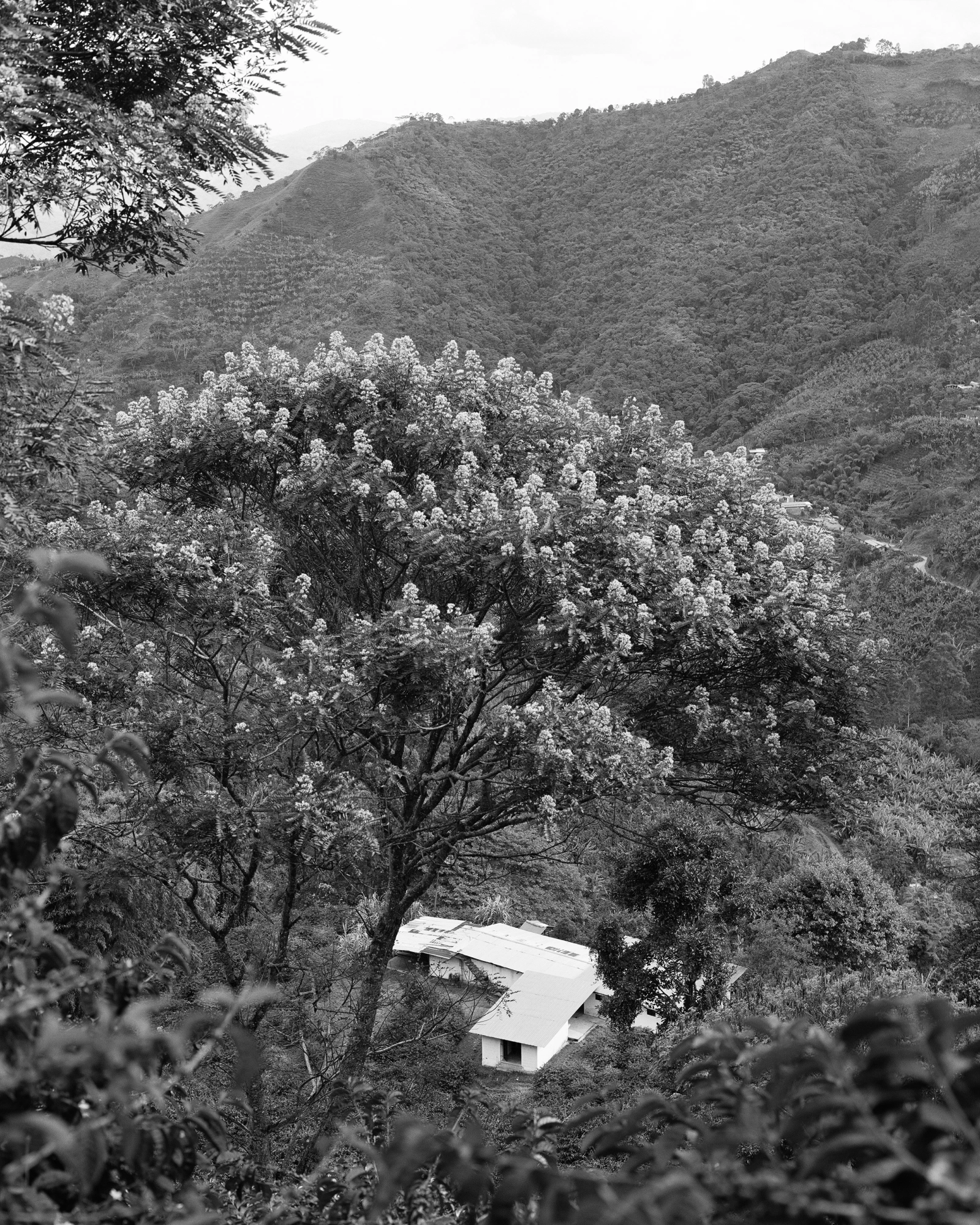
El Oromazo
From CNDT we present the El Oromazo lot. CDNT's story begins in 2015. Herbert, our long term friend and co-founder of LaREB, was taken to Casabianca by his uncle to attend a community meeting. Casabianca is a small rural community in northern Tolima, underserved by many central authorities, but also by speciality coffee buyers. Despite excellent quality potential, this means opportunities for smallholders here are limited.
This region has a rocky history. The lack of involvement from central government here has always led to power falling into the hands of local groups, sometimes those with the local population’s interests at heart, but often those with less benevolent intentions. It was one such group that led to the community meeting in Casabianca in 2015. A group from another part of the region had sought mining permits to begin industrially mining for gold in El Oromazo, a municipality close to Casabianca. Foreseeing both environmental destruction and devastating effects on local communities, a group of coffee producers met in Casabianca, and decided to take a stand. Together, the producers went on strike, blocking the road and making clear to the miners that they weren’t welcome.
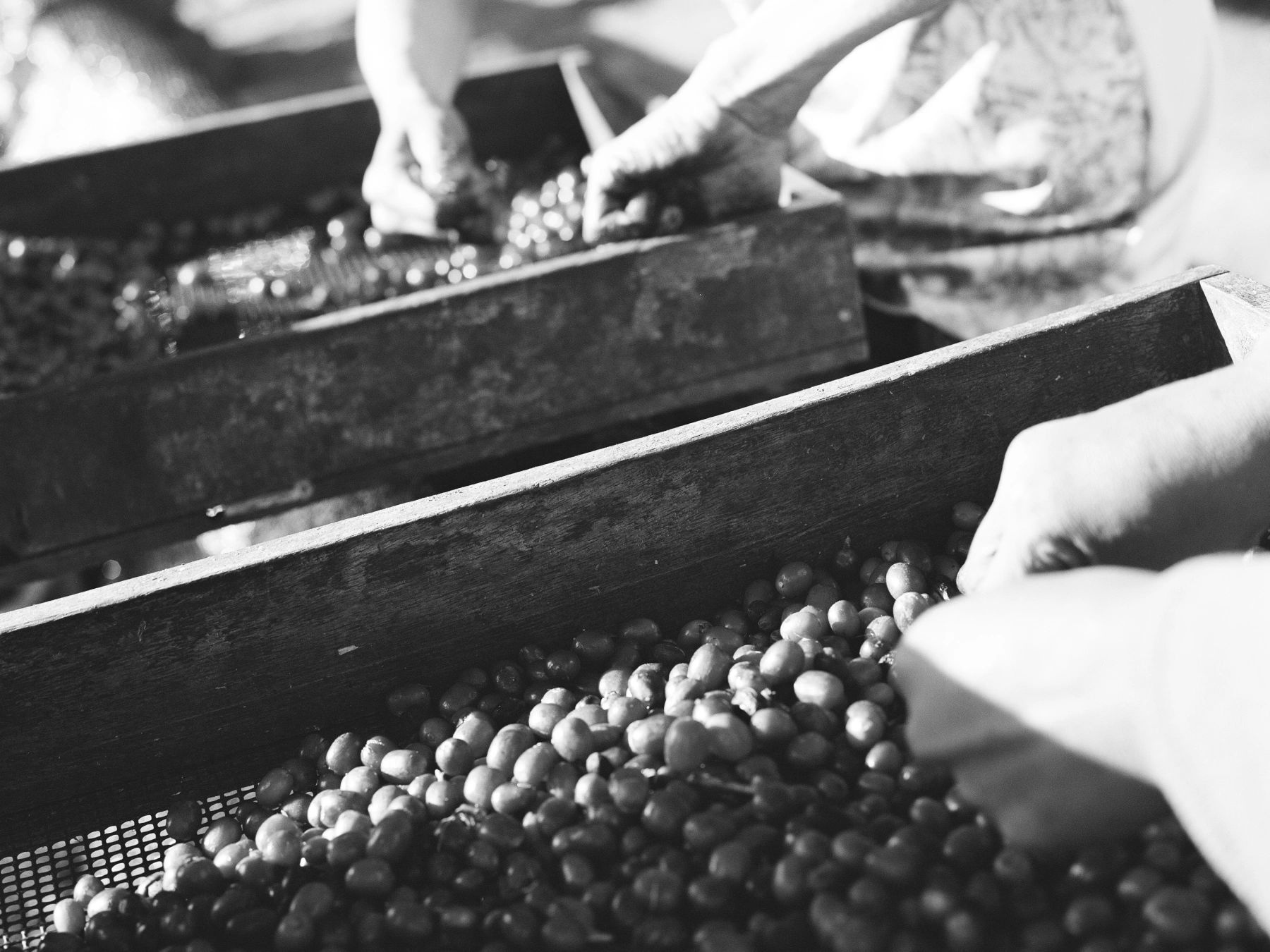
It was at this meeting that the seeds were sown for what would become CDNT and LaREB. A collective of coffee producers, each pulling in the same direction for the good of their communities. Several producers from the meeting began to form the association in the years after this meeting, many of which we have worked with several times over the years, such as Herbert Peñaloza, Educardo and Yesid Flores, Leonela Vergara and Albeiro Arbelaez. CDNT are the Caficultores Diferenciados del Norte del Tolima, or the association of differentiated coffee growers of Northern Tolima. Together, the group have worked to improve both the quality and range of the coffees they produce, and through LaREB, have found roasters willing to pay good prices for quality. Through this, they can create a more economically viable business producing coffee, and continue to serve and enrich their communities.
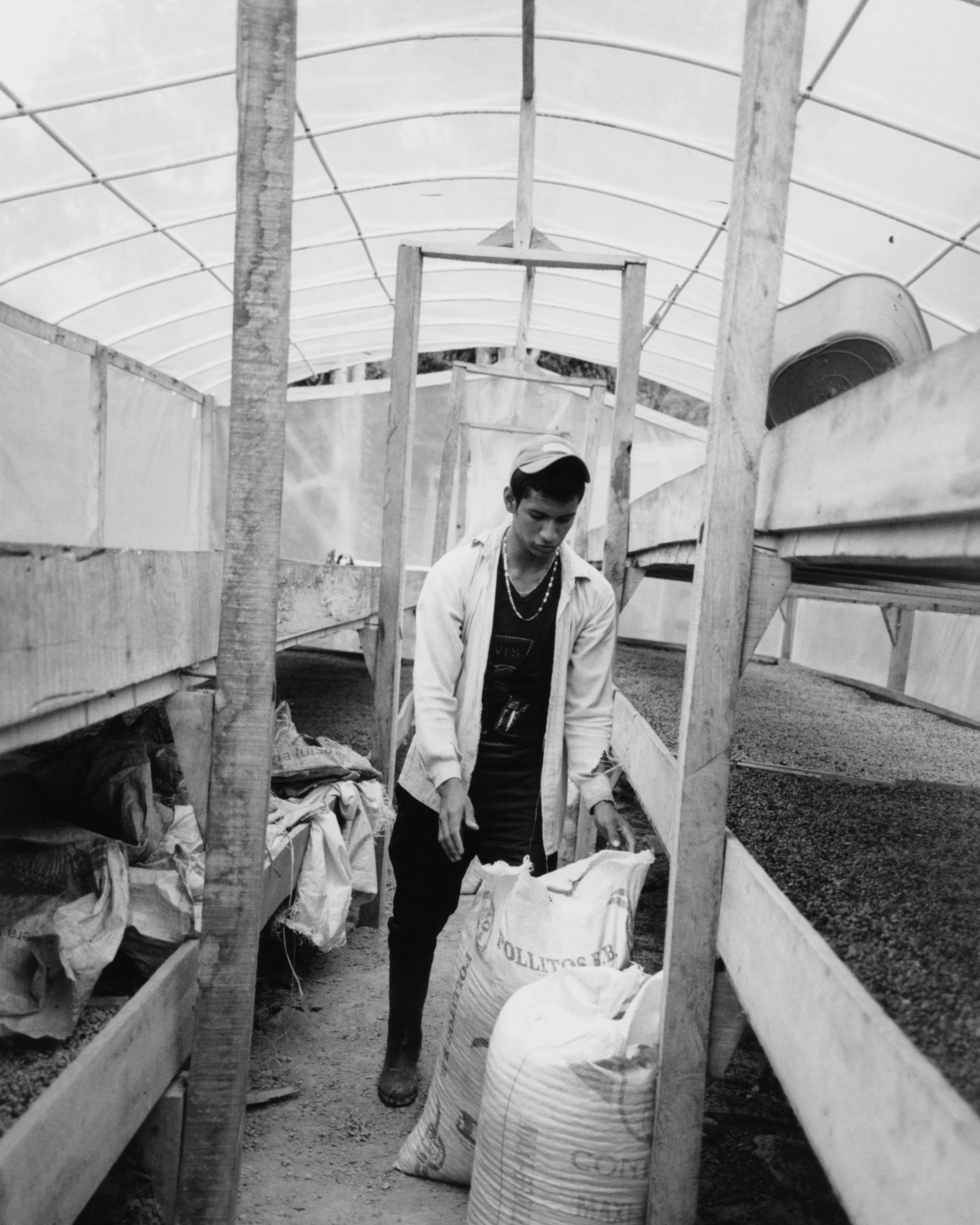
CDNT’s established practices inspired our purchase this year. We needed a larger lot for our seasonal selection, but aimed for a micro-lot level of quality, and micro-lot prices to producers, even during the high market prices of late 2025. We discussed the plan together with our partners from LaREB and CDNT, and they began work on building this lot. Members of CDNT selected lots from each of their farms, aiming to reflect the quality potential of the area. Members were paid a price of 3.5 million pesos per carga of parchment, nearly 1 million pesos above the local market price, ensuring top quality was delivered, and fair pricing was delivered back to the community of producers. We find this lot reflecting the profile of this area, with a poised balance between bright citrus and a deep dried fruit sweetness, lifted by complex notes of apple and grape.
The producers behind this lot are:
Albeiro Arbelaez
Leonela Vergara
Educardo Florez
German Ramirez
Miguel Vanegas 575 Café

Aponte
Aponte is the name of an Inga community high in the mountains of Nariño. This community pre-dates the Spanish conquest and goes back to the days of the Inca. During the conquest they were able to remain largely isolated in their mountain refuge and it wasn't until the later half of the 19th century that they started to integrate into Colombian life.
However in the 90’s the community was ravaged by criminal enterprise. Drug traffickers and guerrilla paramilitaries flocked to the remote area, and the Inga people were brutalized and forced into the cultivation of poppies and coca for drug production.
It is only in the last 10 years that the scourge of illegal drug production has been eradicated from the region and cultivation of coffee has come to replace the drug trade. Caturra in particular was planted here. At the time Caturra was the dominant varietal in Colombia, however in the last decade production of Caturra has significantly decreased as farmers replaced Caturra with rust resistant varietals like Castillo and Colombia.
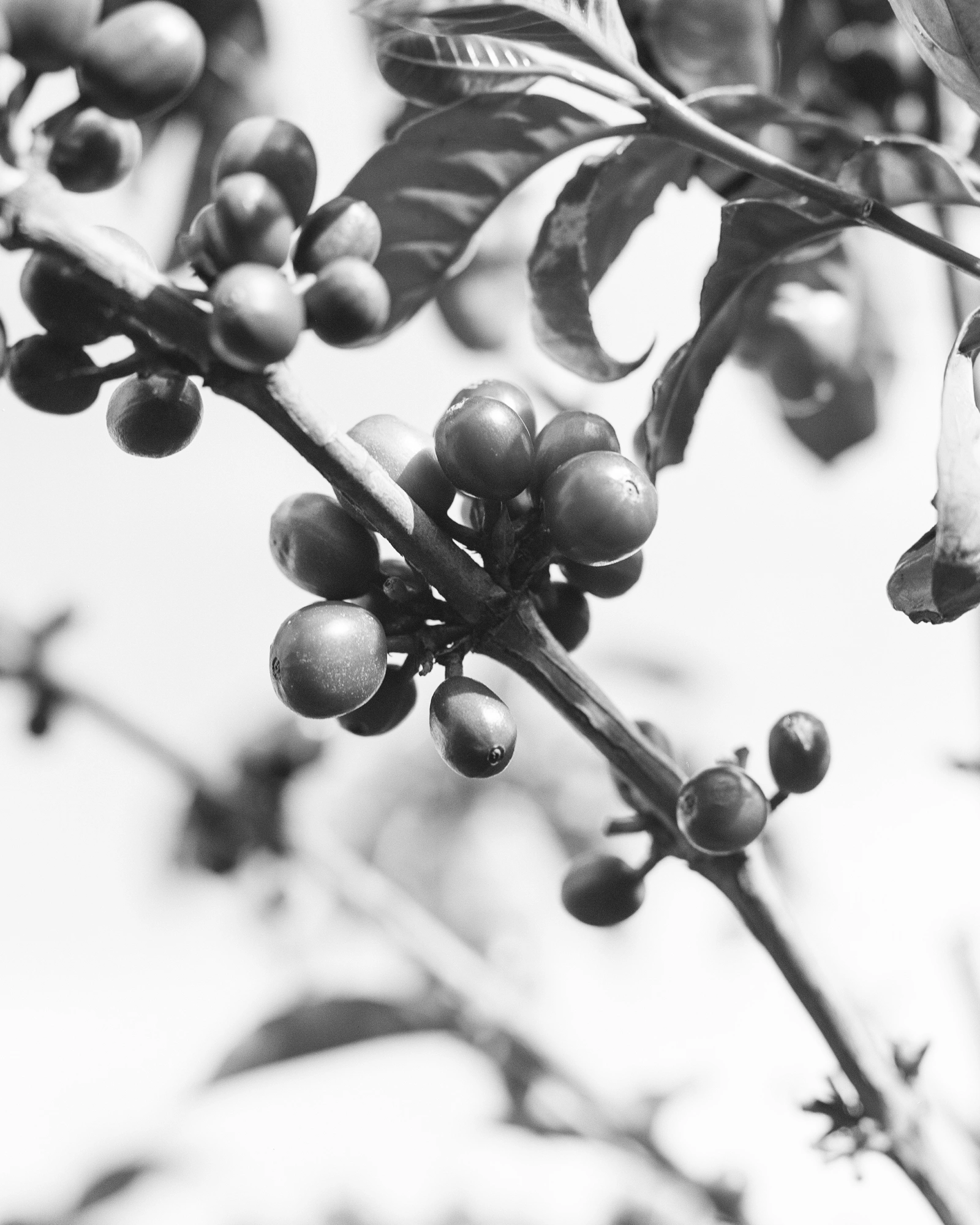
This honey-processed Caturra is a throwback to the classic Colombian coffees, with bright acidity, florals and a clarity that is hard to find in some of the newer and more common rust-resistant varieties.

We continue to seek out the classic Colombian coffees that Caturra helped define, and the communities that keep growing them. These two lots, from CDNT in Northern Tolima and the Inga community of Aponte in Nariño, offer two very different expressions of the varietal, both rooted in the places and people behind them and showcasing the classic Colombian profile that Caturra is known for. We are proud to share these coffees, and to continue working with the producers behind them.