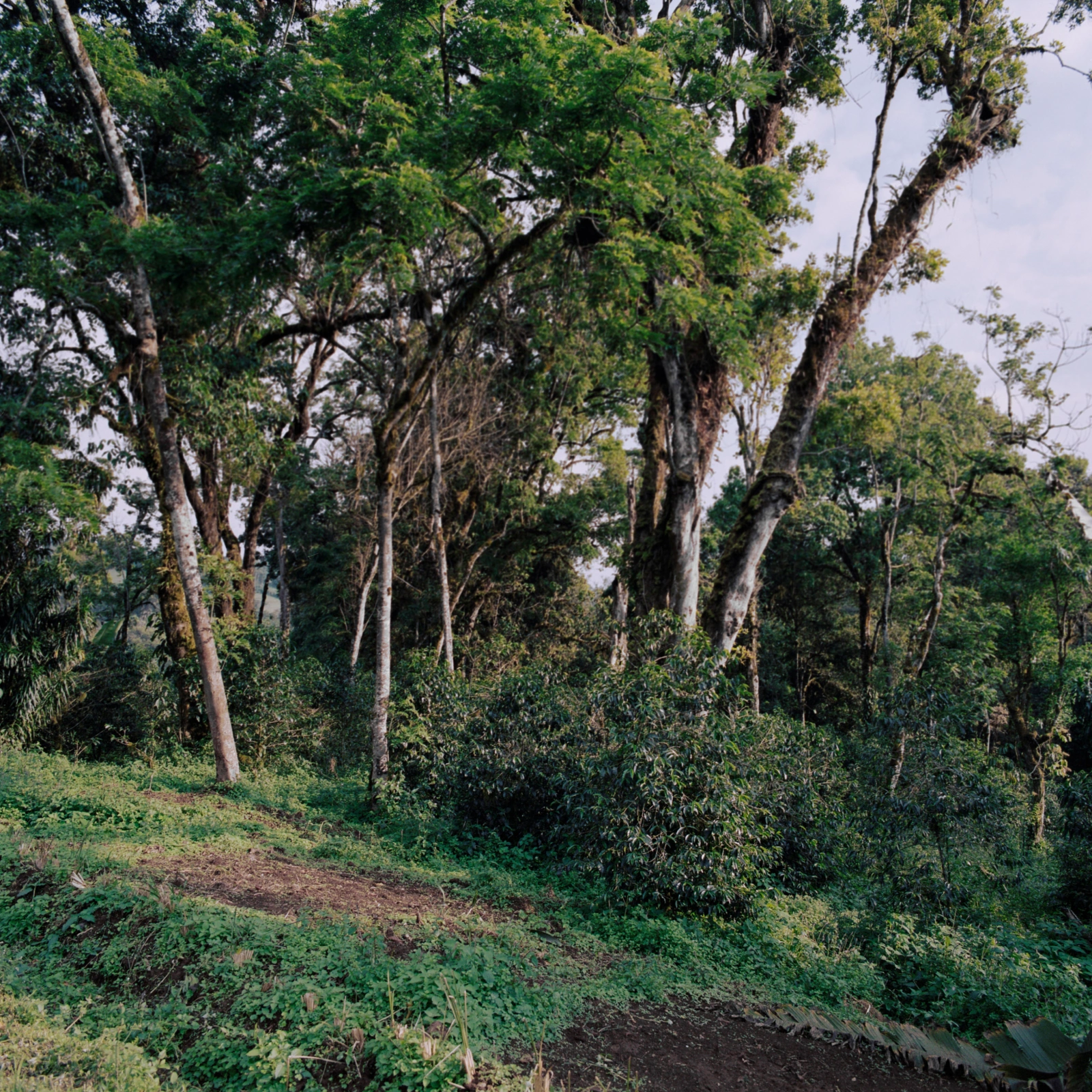
This month we are focused on two of those kebeles, Kokosa and Segera. Both are produced by smallholders of the Bensa Community, grown between 1800 and 2300 masl and processed at the community’s central washing station. The people here belong to the Sidama culture, holding on to traditions that run deep: round houses built in the style used in this area 10,000 years ago, families gathered around the campfire at the end of each day, and a reliance on local rivers in homes still without electricity or clean running water.
Kokosa and Segera are close enough to share a washing station, yet each lot still arrives at the cup carrying something of its own kebele.
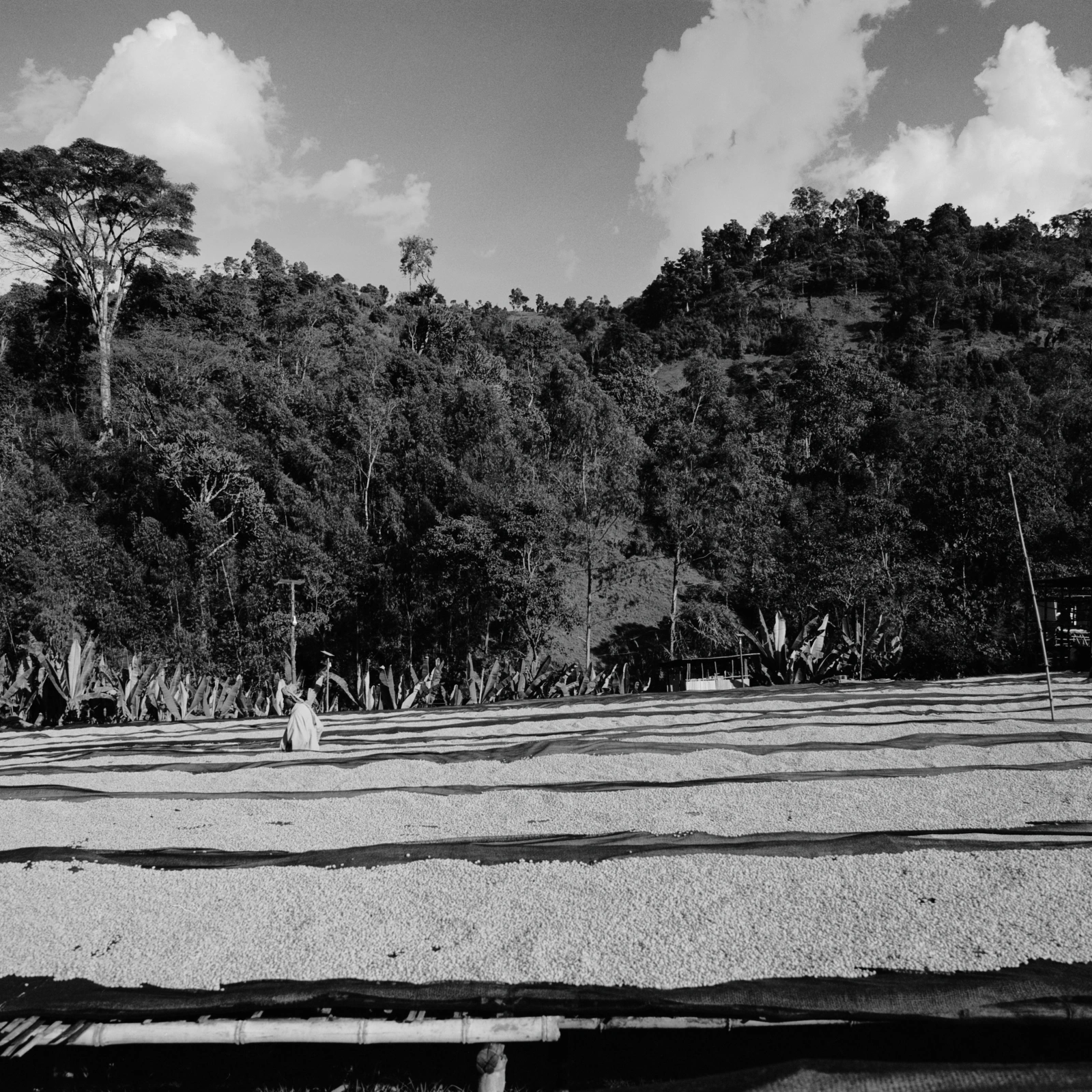
The Bensa Community
Because Bensa sits close to the forest, the producers here have retained many of the original indigenous coffee varieties that grow wild in the surrounding woods. These Heirloom plants give small beans, but the cups they produce are intense and layered. For most smallholder producers in the area, coffee remains their primary source of income.
Until a few years ago, families in Bensa grew coffee alongside subsistence crops for their own tables. Low and unpredictable coffee prices, combined with the labour required to maintain coffee trees, have led many producers in the area to replace coffee with faster-returning crops such as eucalyptus and khat, a commonly used stimulant in Africa. Both crops consume large amounts of water and gradually deplete groundwater reserves. Coffee, by contrast, is native to Ethiopia’s forests and can play an important role in preserving them. Continuing to grow coffee in Bensa is therefore as much an environmental decision as an economic one.
The local climate is also changing. Where temperatures once dropped to around 0°C at night and reached 25°C during the day, they now tend to remain closer to 15°C at night and 30°C during the day. The rising temperatures have shortened fermentation times across the community, reducing the traditional 72-hour process to around 48 hours.
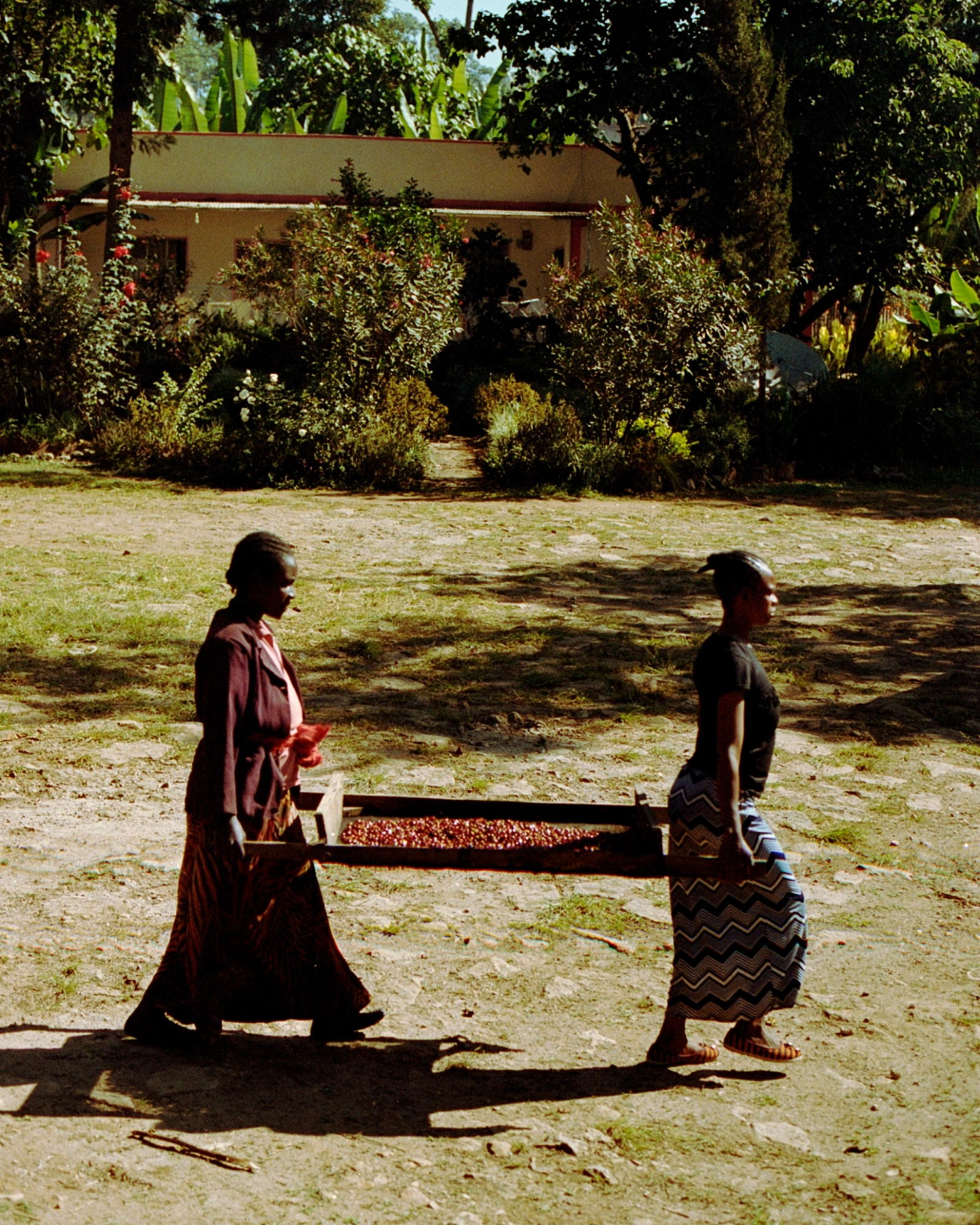
Bensa Kokosa
In Kokosa, producers cultivate small plots of land, typically ranging from 0.1 to 2 hectares. Coffee is often intercropped with false banana trees, which provide shade, and the use of fertiliser is uncommon. Ripe cherries are hand-picked and brought to the community’s central washing station in Bensa, where they are depulped, fermented and washed.
The resulting cup has a layered Heirloom profile, with notes of raisin, apricot and black tea.
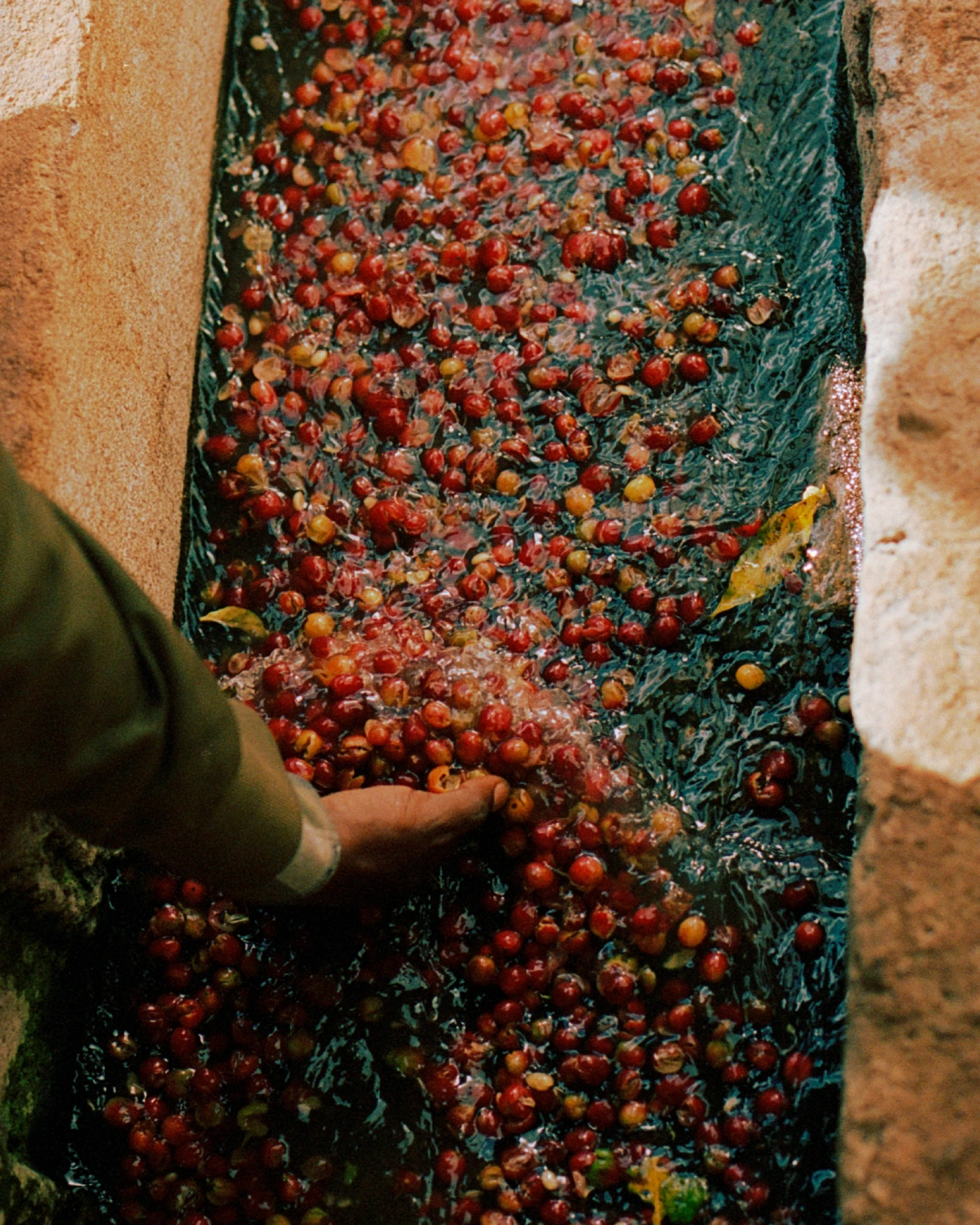
Bensa Segera
In Segera, ripe cherries are hand-picked and delivered to the central washing station in Bensa. Here, they are depulped and fermented in marble tanks for 48 to 72 hours before being washed and dried on African raised beds for 15 to 21 days. During drying, the coffee is turned regularly to ensure an even result.
The resulting cup has a layered Heirloom profile, with notes of grape, honeysuckle and raspberry.
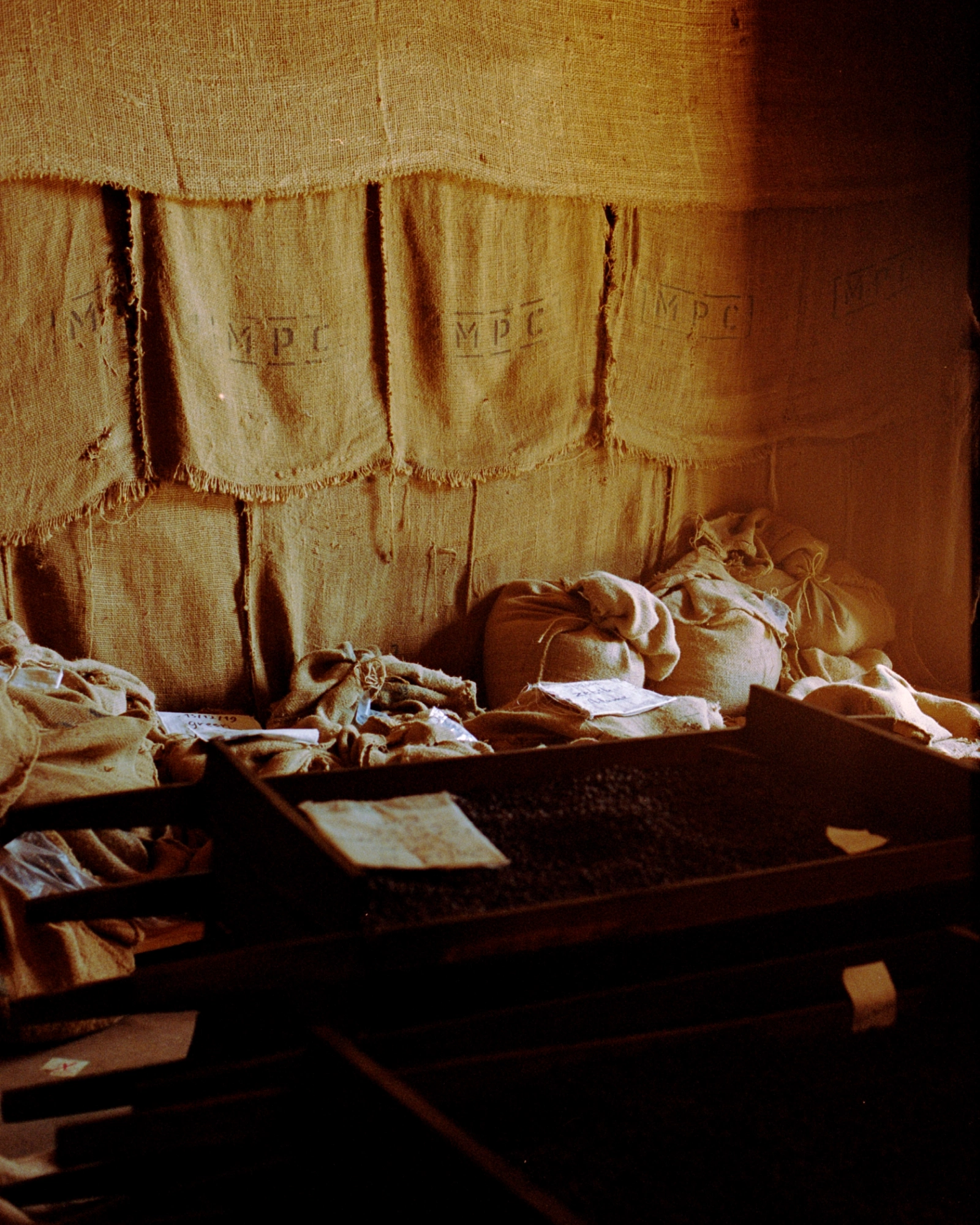
Two expressions of Bensa
Kokosa and Segera offer two expressions of the same landscape and community. Both reflect the character of Bensa’s indigenous Heirloom varieties and the careful work of the smallholder producers who grow them. Yet their individual profiles bring different qualities to the cup, from the raisin, apricot and black tea of Kokosa to the grape, honeysuckle and raspberry of Segera.
Together, they offer a closer look at the diversity found within a single coffee-growing community, where even neighbouring kebeles can produce distinctly different cups.