

Las Flores de Cafe comes from Huehuetenango, for a long time the epicentre of delicious coffees in Central America. It's a traditional huehue, produced by smallholders in the region. This year we purchased from several returning partners to create this lot. Notes of soft red berries, sweet dark chocolate, and ripe citrus acidity sit alongside a distinctive cocoa-sweet, round body.
The washed Pacamara from Antonio Medina at La Colina in Chimaltenango is a coffee we have had before. Pacamara is one of the most celebrated varieties in Central American coffee, and this washed lot brings deep herbal aromas and a body reminiscent of milk oolong tea.
-v1785922043184.webp?1600x1600)
Las Flores de Cafe
Here in the San Antonio Huista micro-region, the landscape is dominated by small-scale farms, many under 2 hectares. Growing and selling coffee provides the main income for most families in this remote and agriculturally dependent region. Our partners Primavera have a specific program focussed in the Huista area, sharing vital knowledge in order to increase and stabilize each producer’s income from coffee. This year, we aimed to create a larger lot for our seasonal selection, securing several small lots from producers we have worked with in the past. We combined these into a larger lot while still paying a healthy premium, and securing the highest quality. The producers behind this lot are familiar names to us at La Cabra; Catalina Manuel, Ramon Pablo Chales and Manuel Domingo, alongside new additions in Martin Jacinto Geronimo and Roselin Garcia Montejo.
The conditions high in the tropical Guatemalan highlands, characterised by high humidity and cool temperatures, lead to long, slow fermentations, often around 40 hours. This leads to a crisp and sweet expression, here reminiscent of ripe red berries, sweet dark chocolate and raisins.
-v1785922043900.webp?1600x1600)
Huehuetenango
Huehuetenango is located in the north-western highlands of Guatemala, and borders with Mexico. It is home to the highest altitudes in all of Central America, due to the presence of the Sierra de los Cuchumatanes mountain range, which peaks at 3837 masl. This creates lots of high altitude land to grow high-quality coffee, an important crop in an area where agriculture is the largest industry. A dry hot wind also blows in from the Tehuantepec plain in Mexico to the north, which protects crops from frost, allowing coffee to grow even higher up the slopes, often above 2000 masl. These high altitudes also lead to very beautiful scenery, something the area is known for, but also to a remoteness not found elsewhere in Guatemala. 9 different ancient Mayan dialects are still spoken here, and the region is home to some of the best preserved examples of Mayan architecture.
The remoteness also makes sourcing coffee a challenge here, the journey to farms often takes days over unforgiving terrain, and would-be coffee buyers require knowledge of the local dialects, or an experienced guide. We have visited and worked with our Guatemalan partners at Primavera for the past ten years, and have been stunned by the beauty of both the coffees they have been sourcing, and of this captivating region.
-1-v1785922044535.webp?1600x2000)
La Colina
Antonio ‘Tony’ Medina is a second generation farmer, but didn’t grow coffee himself until 1991. Tony’s father gave the farm its name; La Colina translates to ‘the hill’, named for the high elevation here in the Chimaltenango hills. La Colina is located just outside the town of San Martin Jilotepeque, only about one and a half hours from the Guatemalan capital, Guatemala City. It’s also a short drive from the famed Antigua region, the source of Tony’s inspiration to start growing coffee, after initially growing corn and beans on his plot of his father’s lands.
Coffee from Antigua exploded in popularity in the late 20th Century; one of the early recognisable stamps of quality in the beginnings of the speciality coffee era. This inspired Tony to grow quality coffee on his lands, slowly increasing the number of coffee trees plants through the 90’s and 2000’s. Since then he has continued his pursuit of quality, receiving ever higher prices for his crop, and even beginning to plant a small lot of Geisha in the early 2010’s.
-2-v1785922045210.webp?1600x2000)
Washed Pacamara
This lot is a great illustration of Tony’s years of experience. Even before planting, Tony was aware of the great level of care that exotic varietals require, and has slowly become accustomed to how these plants act and what they need when growing here. Ripe cherries from his Pacamara plot are transported to the wet mill and de-pulped, before fermenting in tanks for 32 hours. This long and slow fermentation is typical at these high altitudes in Guatemala, creating a great deal of complexity and a soft overall cup profile. Here, we find deeply complex herbal notes, and a soft and creamy cup profile reminiscent of delicate milk oolong tea.
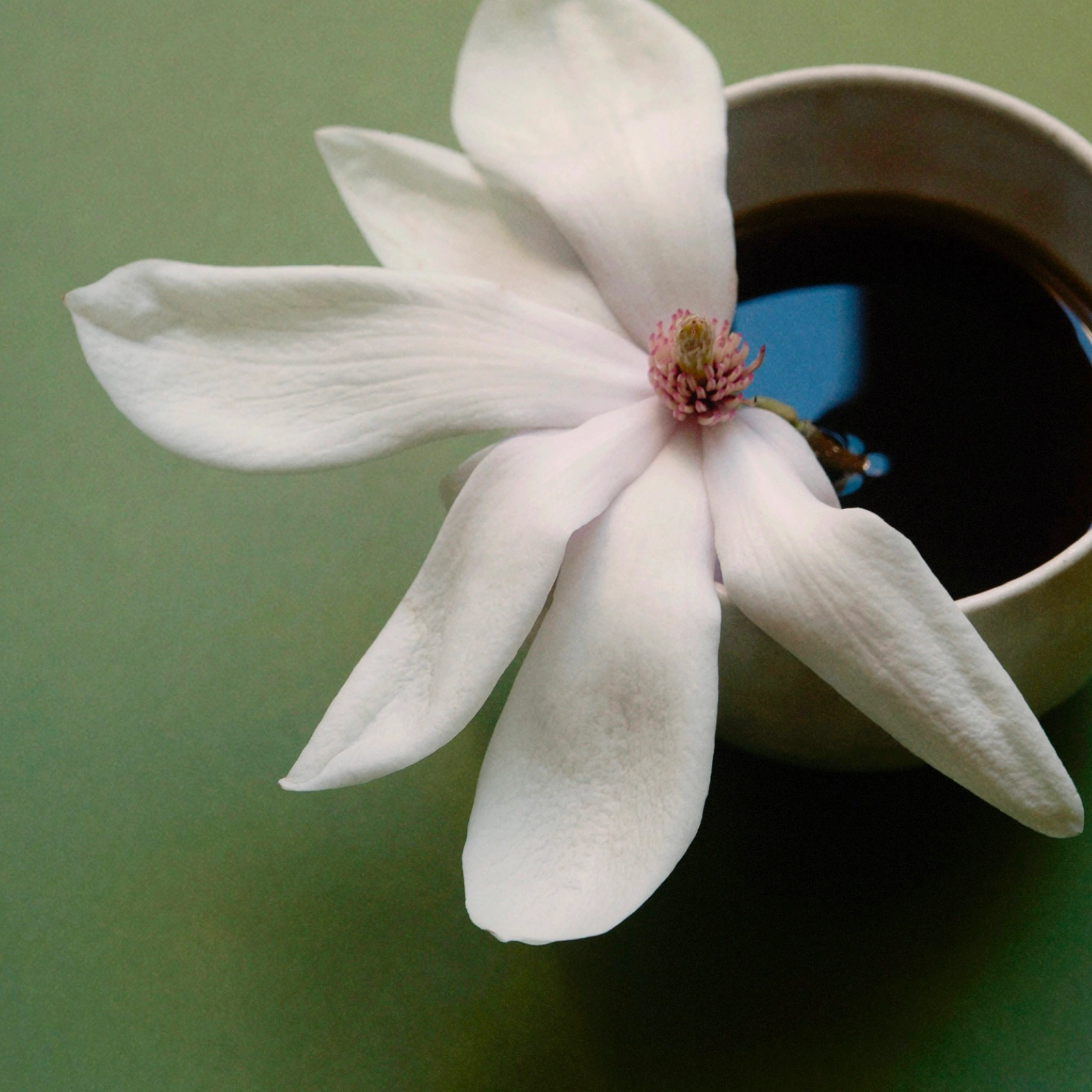
We continue to explore Guatemala, and other classic origins in Central America. Here, we find growers carrying forward the traditions and flavour profiles that helped shape specialty coffee. Returning to the same partners year after year lets us purchase from a wider range of lots, and gives producers the stability to invest in their farms and wet mills.
This leads to cups that reflect this heritage, and the growers behind them.
-v1785922046853.webp?1600x2000)