

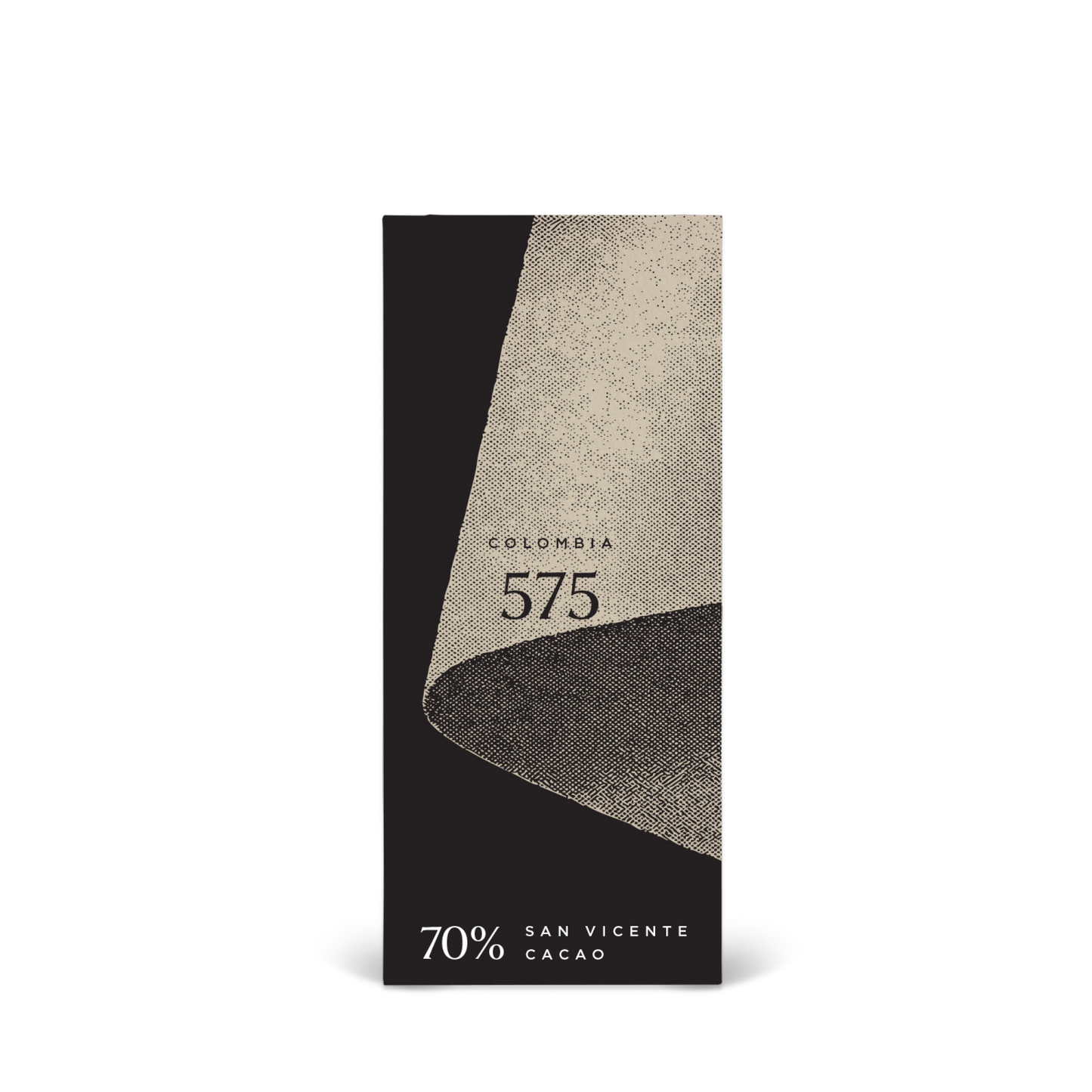
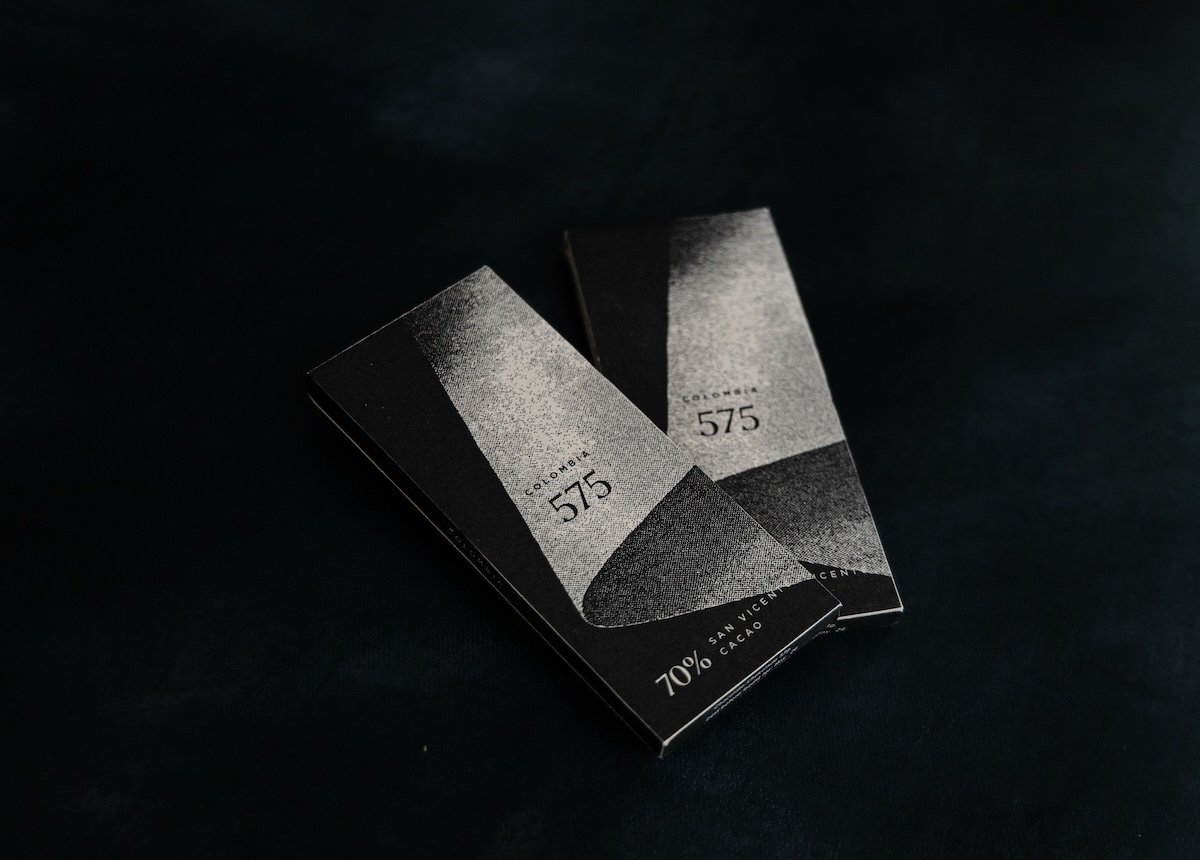
575 Café
This cacao lot is produced by our long term friend Herbert Peñaloza, one of the founding members of the LaREB collective. We have purchased several lots of coffee from Herbert and the team’s projects, most recently from the El Bocadillo farm, having purchased several lots from the lower altitude Él Eden previously.
El Bocadillo
In 2017, after years of struggling with the less than ideal terroir and plant stock at El Éden, Herbert made the decision to purchase a new plot with higher altitude, ideal sun exposure, healthy soils. Members of the La Cabra team have seen Bocadillo at many stages of its development, even advising on the use of biochar during planting. Now the majority of the farm is producing, and 575’s years of work and experience have come into play.
Él Eden
This left the problem of what to do with the original farm at El Éden. The plant stock here was mainly of old Catimor hybrids, never planted for quality, and the lower altitude did not create the conditions required for high quality. for this reason, in the vein of LaREB’s other work, Herbert looked for new projects where the 575 team could own as much of the value chain as possible, bringing as much value back to the community in Palocabildo as possible. He found two possibilities, each with a long history in Colombia.
Él Eden is now mainly dedicated to sugar cane, from which the 575 team produce an excellent wild fermented rum, and cacao, from which they produce their own chocolate bars.

San Vicente
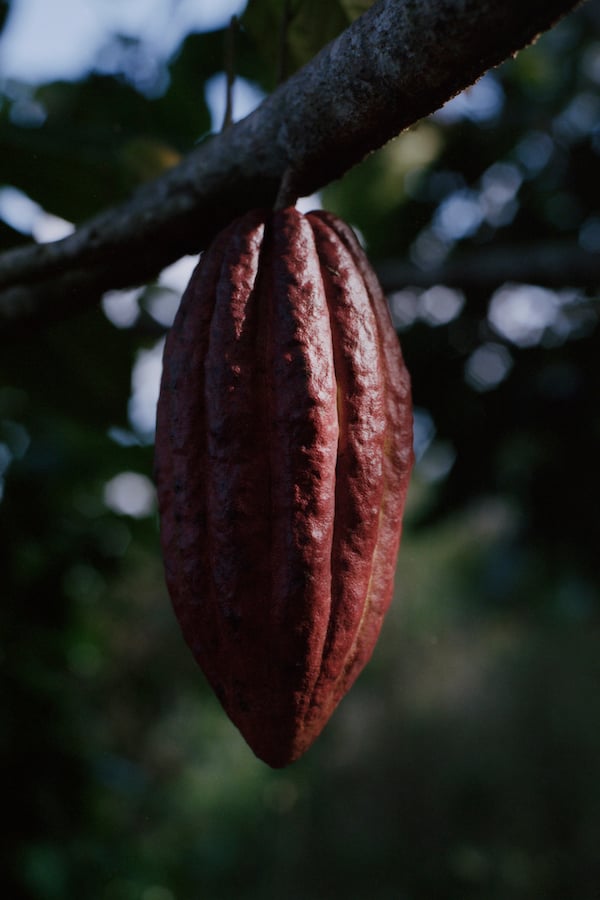
We are the first to have purchased a small lot of cacao beans from Herbert, as the aim of the project has always been to create as close to a consumer product as possible, keeping the value in the community. Due to our long term partnership and curiosity, Herbert agreed to sell us this small lot. This lot is of the San Vicente varietal, selected from some of the oldest cacao growing lands in Colombia, in the Santander department north of Bogotá. The beans and pulp are removed from the pod, and fermented in sealed glass containers for 5 days, breaking the pulp down, but not fermenting as fully as the traditional large masses in wooden boxes. This leads to a brighter flavour profile, with notes of raspberry, molasses, and herbal liqueur.

-
Altos Typica
200g (7.05oz), 1kg (2.2lb)Regular price From $26.00 USDFrom $26.00 USD Regular priceUnit price per -
La Divina Washed SL28
250g (8.8oz), 1kg (2.2lb)Regular price From $28.00 USDFrom $28.00 USD Regular priceUnit price per -
Sagastume Washed Parainema
250g (8.8oz), 1kg (2.2lb)Regular price From $24.00 USDFrom $24.00 USD Regular priceUnit price per -
Sumava SL28
250g (8.8oz), 1kg (2.2lb)Regular price From $26.00 USDFrom $26.00 USD Regular priceUnit price per -
Sumava Typica
200g (7.05oz), 1kg (2.2lb)Regular price From $27.00 USDFrom $27.00 USD Regular priceUnit price per -
Elida Washed
100g (3.53oz)Regular price $56.00 USD$56.00 USD Regular priceUnit price per -
Elida Natural
100g (3.53oz)Regular price $56.00 USD$56.00 USD Regular priceUnit price per


