

The Long Miles Coffee Project
The Long Miles Project, founded by Ben and Kristy Carlson, began work in 2013, aiming to raise the bar of specialty coffees coming out of Burundi. The project works with more than 5,000 individual coffee farmers living near three central washing stations, Bukeye, opened in 2013, Heza, from 2014 and Ninga, which had its first harvest in 2020. There are several reasons why producing speciality coffee in Burundi is an incredibly difficult task.
There’s the incredibly unstable political situation, where government can change rules on coffee prices and value chain seemingly overnight, the practical challenge of being a small landlocked country attempting to export coffee by sea freight, the constant threat of unrest. But through it all the Carlson family have managed to establish themselves as producers and exporters of consistently delicious coffees, all the while providing some semblance of stability to the lives of smallholder farmers that surround their washing stations in the northern Kayanza Province, near the border with Rwanda.
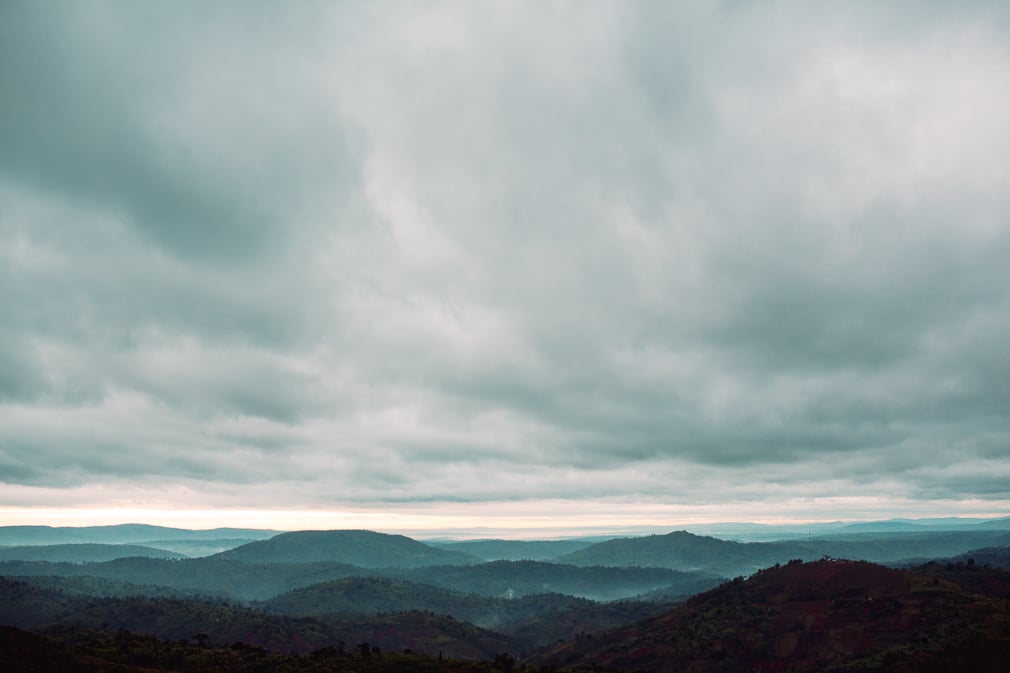
Due to the cyclic nature of the harvest here, this year has seen a lower production. The team in Burundi had less room for experimentation this year, producing mainly traditional washed and natural coffees. Quality has remained at an excellent level, thanks to the Long Miles team’s tireless work at each of the stations.
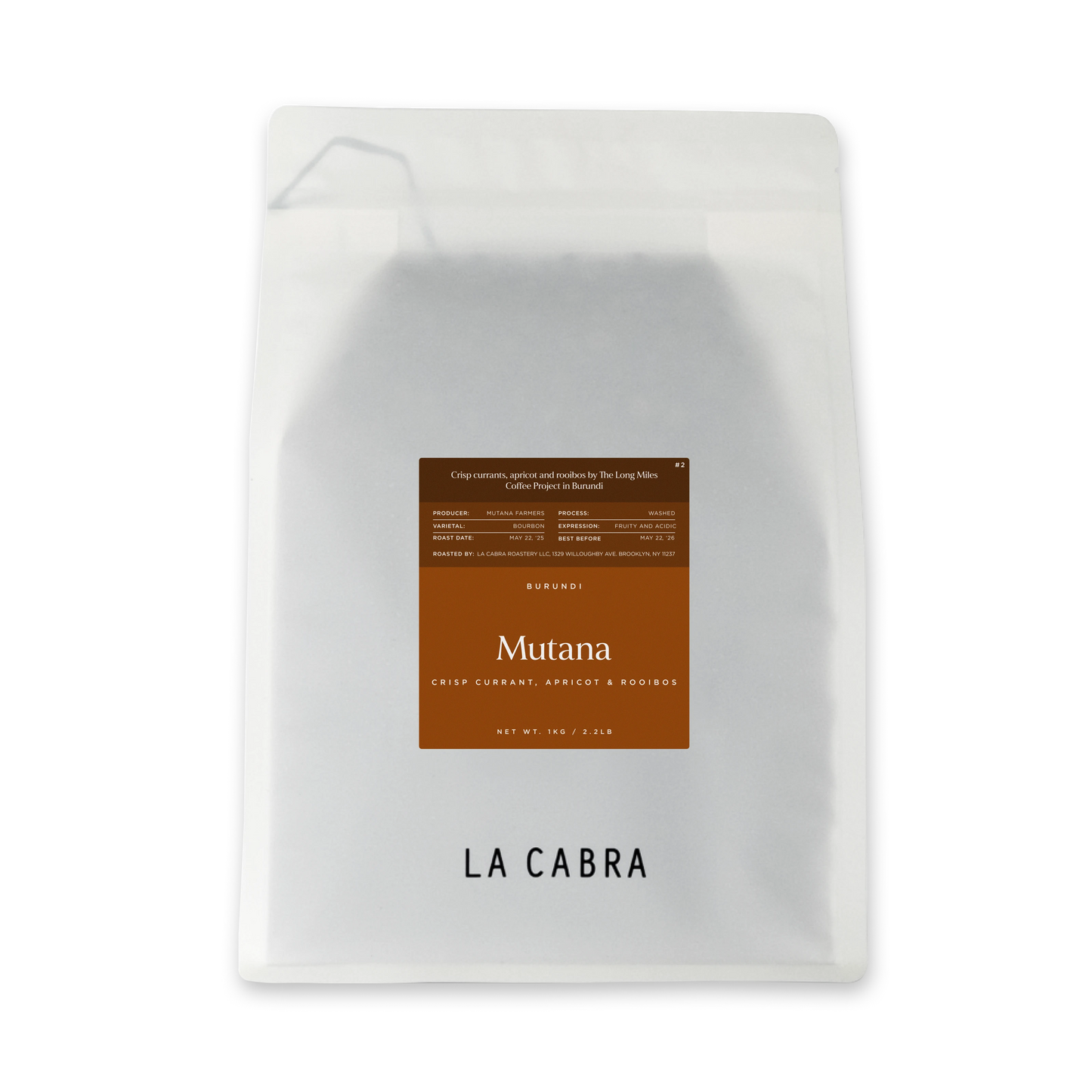
Mutana
The hills of Mutana are a never-ending tapestry of green, possessing breathtaking panoramic views. The edge of the Kibira Forest is only a couple of kilometers away, allowing cool mists to fall onto farmers’ fields daily, slowing cherry maturation. The fertile sandy soils of Mutana seem to grow everything; nitrogen-fixing peas and beans, passion fruit and tea are all grown alongside coffee.
Coffee farmers from the Gitwe hill deliver to Long Miles’ Heza station. Heza sits at 1960 masl, so harvest normally starts around two weeks later here than at the lower altitude Bukeye station. This altitude here leads to similar impressive views over the Kibira forest, all the way to Rwanda. These views give Heza its name; ‘beautiful place’ in Kirundi. Heza was built in January 2014, and now serves nearly 2,000 individual farmers. Heza also helps local farmers by supplying trees from a coffee tree nursery with over 15,000 seedlings.
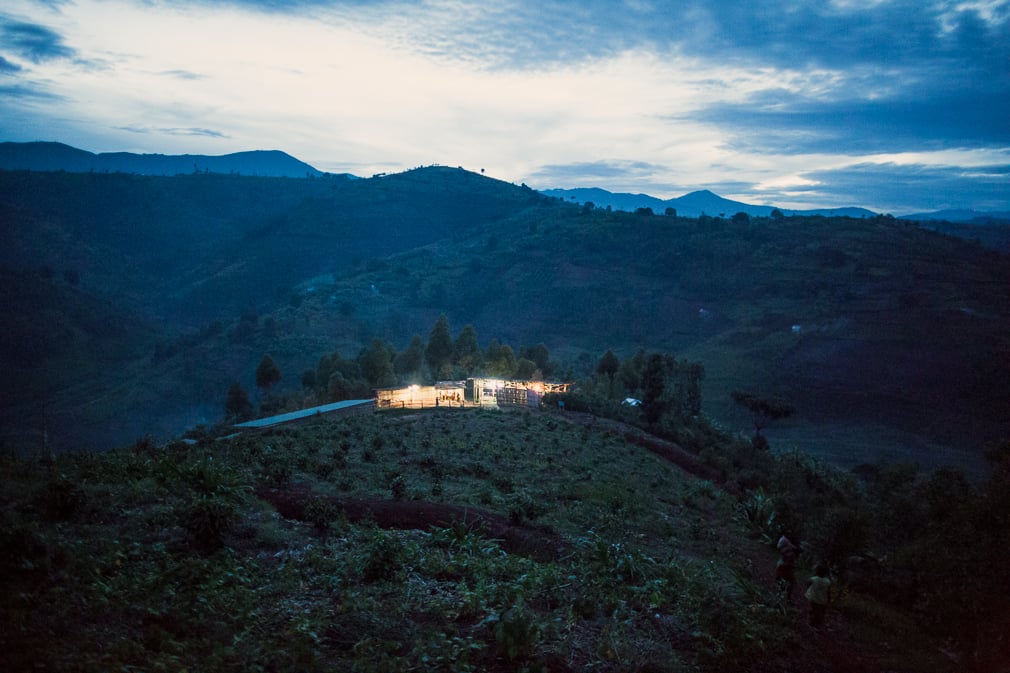
Heza uses a double fermentation process, where the cherries are first de-pulped and fermented without water for around 12 hours, before water is added and the coffee is soaked for a further 12 hours. After this, the coffee is ‘footed’ to wash away the sticky mucilage layer attached to the outside of the coffee seed. This involves the workers stomping on the coffee in the tanks before it is moved to washing channels to be rinsed in clean water. Coffee is then dried slowly on raised beds over 20-30 days, depending on weather conditions.
This careful processing, along with excellent conditions on the Mutana hill, has resulted in an excellent example of Burundian coffee, with a complex character of redcurrant, apricot and rooibos tea.
-
Las Flores de Cafe
Guatemala | 250g (8.8oz), 1kg (2.2lb)Regular price From $25.00 USDFrom $25.00 USD Regular priceUnit price per -
Alto Naranjal
Colombia | 250g (8.8oz), 1kg (2.2lb)Regular price From $25.00 USDFrom $25.00 USD Regular priceUnit price per -
Oma Washed
Ethiopia | 100g (3.53oz)Regular price $35.00 USD$35.00 USD Regular priceUnit price per


-
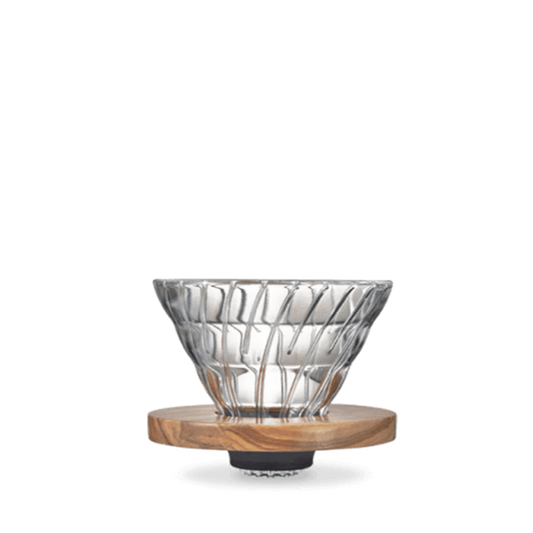
La Cabra Coffee Server
Regular price $18.00 USD$18.00 USD Regular priceUnit price per -
 Sold out
V60 Dripper - Wood
1-2 Cups, 1-4 CupsRegular price From $42.00 USDFrom $42.00 USD Regular priceUnit price per -
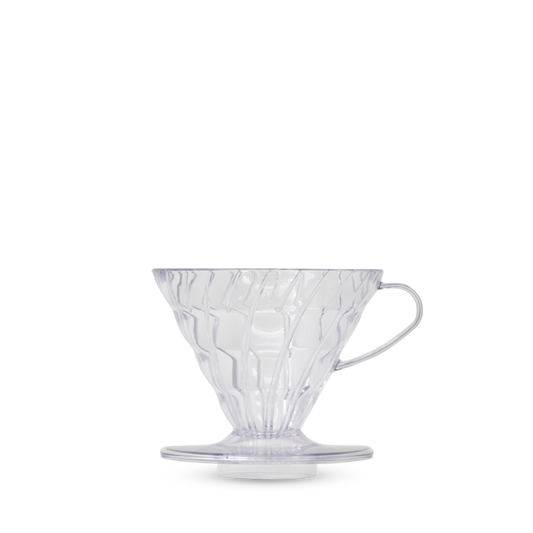
V60 Dripper - Plastic
1 Cup, 2 CupRegular price From $12.00 USDFrom $12.00 USD Regular priceUnit price per -


 Sold out
V60 Dripper - Switch
Regular price $44.50 USD$44.50 USD Regular priceUnit price per -
Cafec ABACA Filter Paper
1 Cup, 4 CupRegular price $10.00 USDBuy 3 save 10%$10.00 USD Regular priceUnit price per -
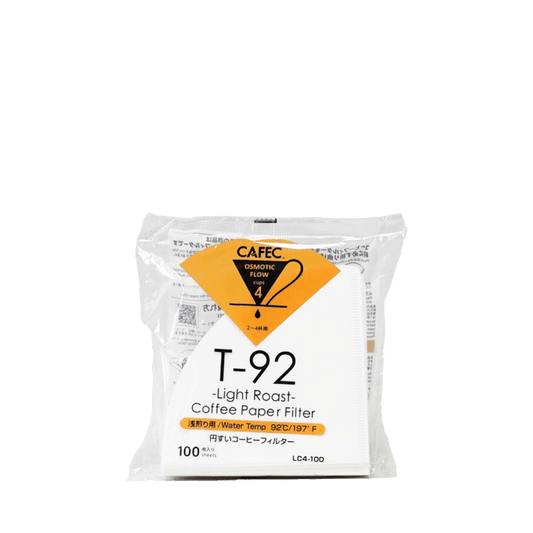
Cafec Light Roast Paper Filter
1 Cup, 4 CupRegular price $11.00 USD$11.00 USD Regular priceUnit price per -


 Sold out
ZeroWater Pitcher
1.7LRegular price $29.00 USD$29.00 USD Regular priceUnit price per -


 Sold out
ZeroWater Replacement Filters
Regular price $39.00 USDBuy 3 save 10%$39.00 USD Regular priceUnit price per -
Mineral Drops
Regular price $35.00 USD$35.00 USD Regular priceUnit price per -


 Sold out
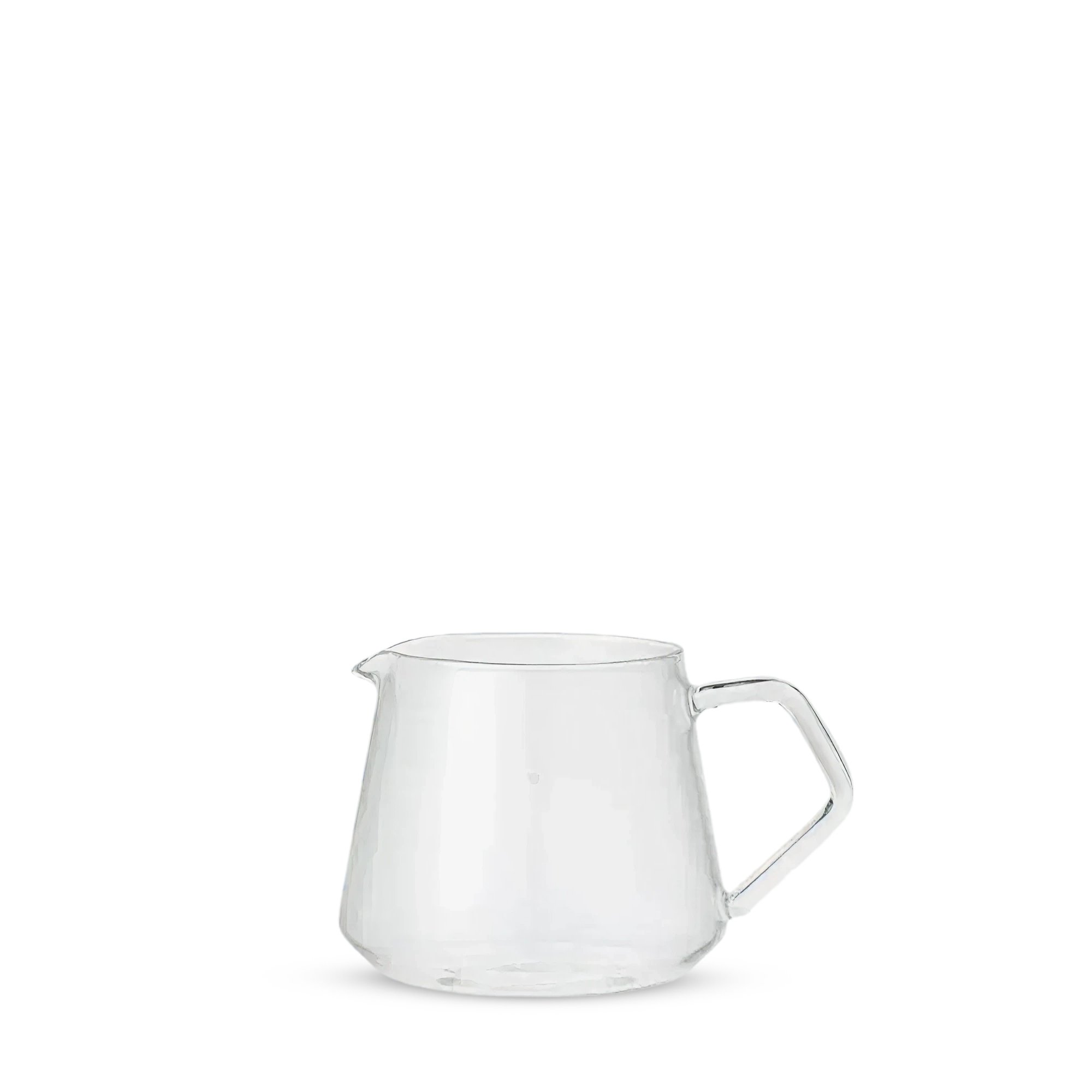
Kinto Coffee Server
2 Cups, 4 CupsRegular price From $14.00 USDFrom $14.00 USD Regular priceUnit price per -
 Sold out
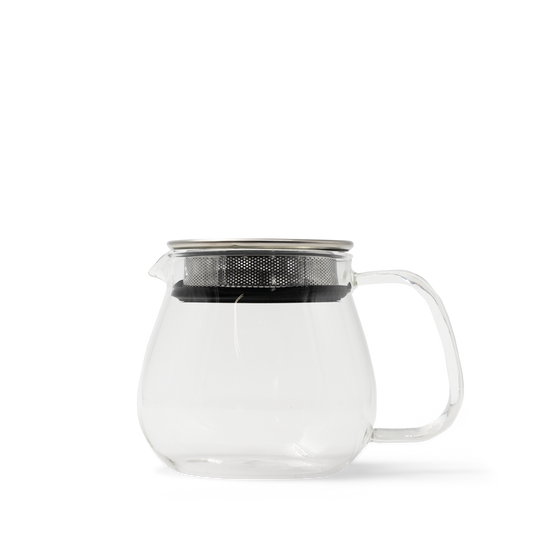
Kinto Unitea Server
460mlRegular price $29.00 USD$29.00 USD Regular priceUnit price per -
Sepia Kinto Coffee Server
300ml (10oz), 600ml (20oz)Regular price From $28.00 USDFrom $28.00 USD Regular priceUnit price per