

Roberto Ulloa
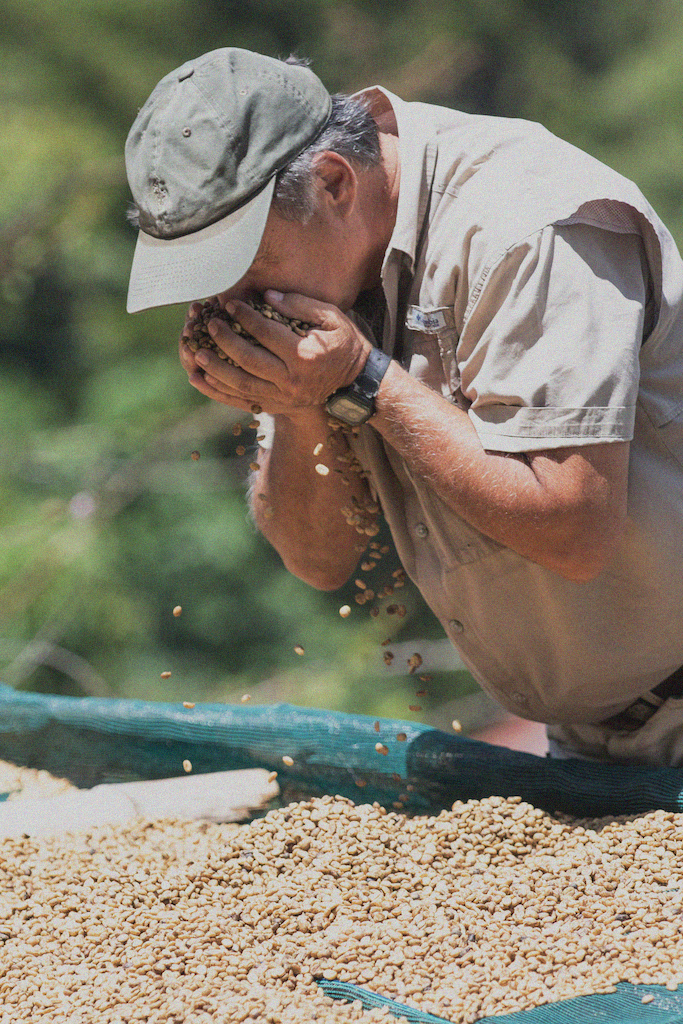
Roberto Ulloa is one of the most genuine, driven and passionate people we have come across on our coffee travels. He has hosted us several times at La Divina Providencia, making the early drive out of San Salvador to the Apaneca Ilamatepec mountain range in the west of El Salvador.
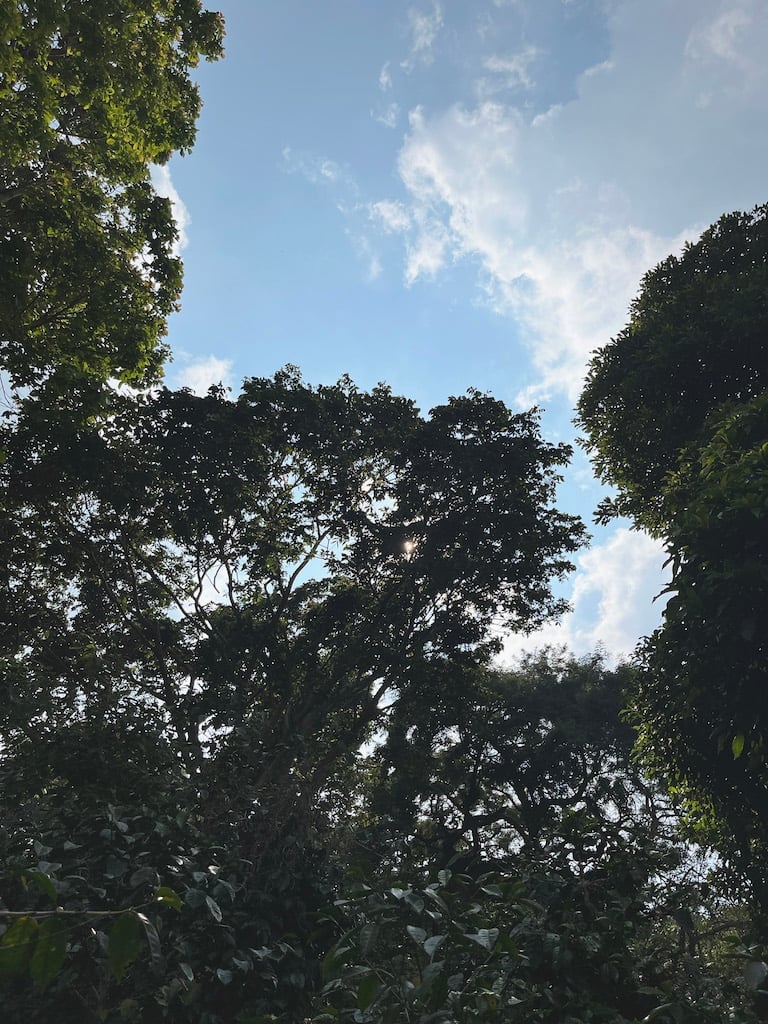
The valley in which La Divina sits is mainly of volcanic origin, and is strikingly beautiful. Lago de Coatepeque, a natural lake formed in the crater of a former volcano, looms in the distance as the road climbs up to the farm, becoming rougher and less defined as it winds its way up the steep slopes of the Santa Ana volcano. Arriving in the deep forest cover of La Divina is calm and tranquil compared to the drama and noise of the journey, and allows a chance to survey and absorb the surroundings.
La Divina Providencia
Roberto is a fifth generation coffee farmer; his family has been working with coffee since the late 19th century, when the Salvadoran industry boomed. His son, Bobby Jr., is also heavily involved, and Roberto works each day to pass on a sustainable business to him.
Much of the family’s land lies at lower altitude, but Roberto made the decision to diversify over fifteen years ago, when he purchased the first of the plots that became La Divina Providencia. The land, high on the fertile volcanic slopes of Santa Ana, was initially planted in the late 19th century, by a colonial Spanish family. After El Salvador’s civil war, the lands were left abandoned by their original owners, becoming overgrown and uncontrolled.
The farm has expanded over the intervening years, mainly planting extra SL28 and Red Bourbon trees, while Roberto was excited to show us expanded numbers of Geisha and Pacamara trees last year compared to our previous visit.
The farm has expanded over the intervening years, mainly planting extra SL28 and Red Bourbon trees, while Roberto was excited to show us expanded numbers of Geisha and Pacamara trees last year compared to our previous visit. The SL28 planted in this part of El Salvador originates from the early days of coffee cultivation in the country, when much of the industry was controlled by a small number of powerful families. Several of them returned from a safari trip to Kenya in the early 20th century with seeds that resembled Bourbon, but had some unique characteristics. Most of the SL28 in the west of El Salvador is descended from these seeds, which is thought to pre-date the final selection of SL28, so is often referred to as ‘Kenya Bourbon’.
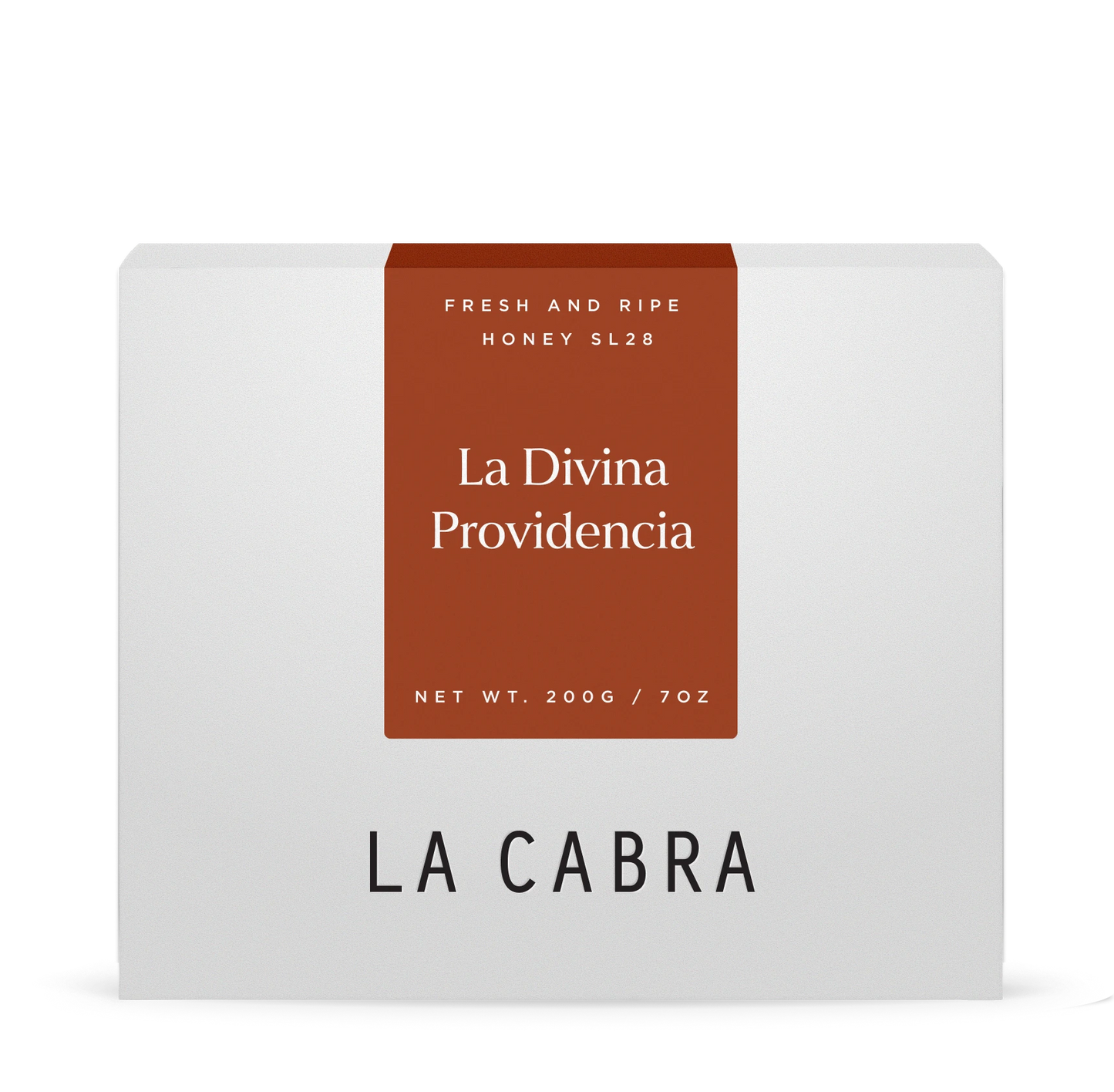
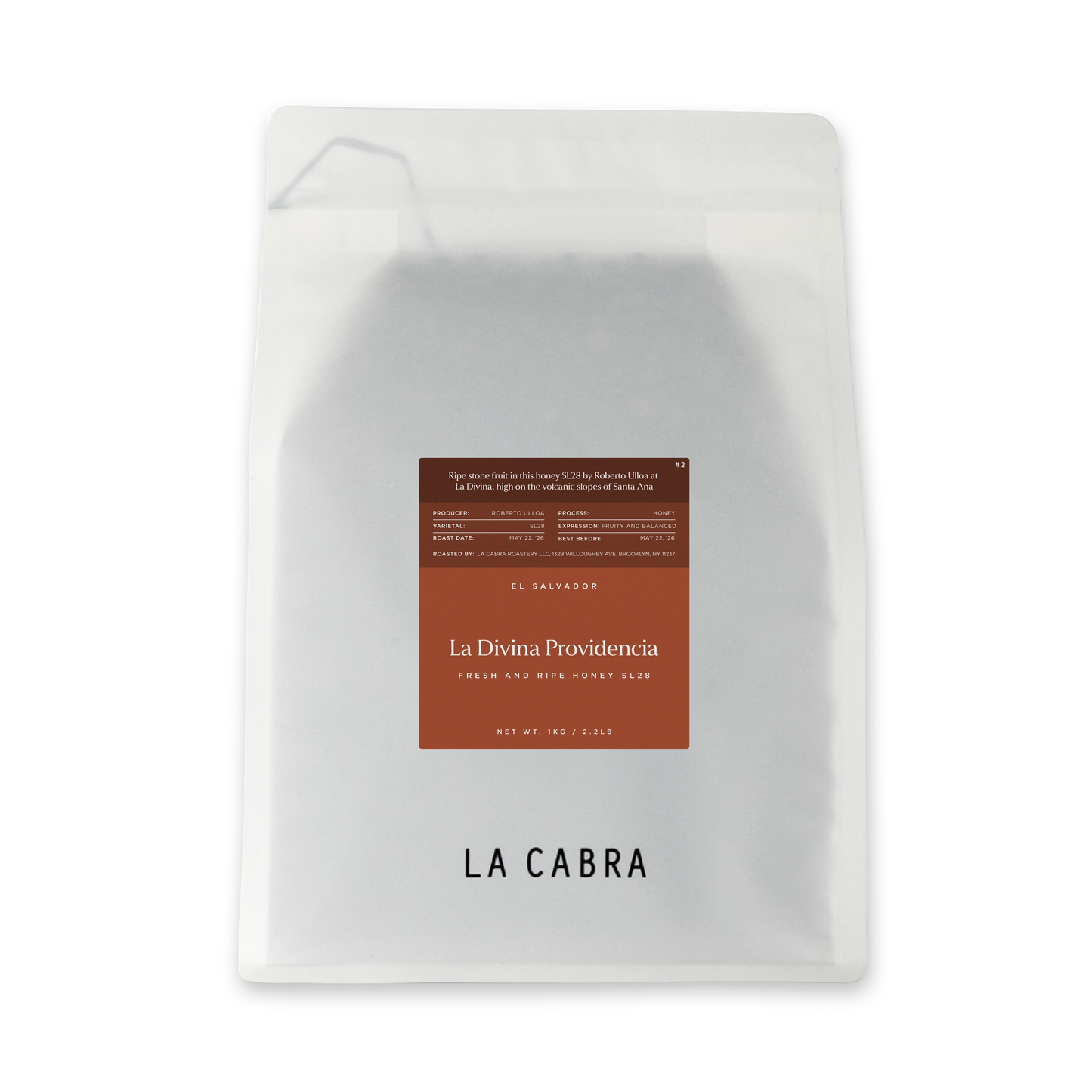
This lot was de-pulped before drying on raised beds for 30 days, leading to a fresh and ripe profile, with notes of stone fruit and red berries followed by sweet brown sugar and caramel.
-
Cerro Azul
Colombia | 100g (3.53oz)Regular price $34.00 USD$34.00 USD Regular priceUnit price per -
Potosí Natural
Colombia | 200g (7.05oz), 1kg (2.2lb)Regular price From $26.00 USDFrom $26.00 USD Regular priceUnit price per -
Potosí Washed
Colombia | 200g (7.05oz), 1kg (2.2lb)Regular price From $26.00 USDFrom $26.00 USD Regular priceUnit price per -
El Oromazo
Colombia | 250g (8.8oz), 1kg (2.2lb)Regular price From $25.00 USDFrom $25.00 USD Regular priceUnit price per -
Yacuri Washed Typica
Ecuador | 250g (8.8oz), 1kg (2.2lb)Regular price From $25.00 USDFrom $25.00 USD Regular priceUnit price per -
Rutas del Inca
Peru | 250g (8.8oz), 1kg (2.2lb)Regular price From $25.00 USDFrom $25.00 USD Regular priceUnit price per


-
La Cabra Coffee Server
Regular price $18.00 USD$18.00 USD Regular priceUnit price per -
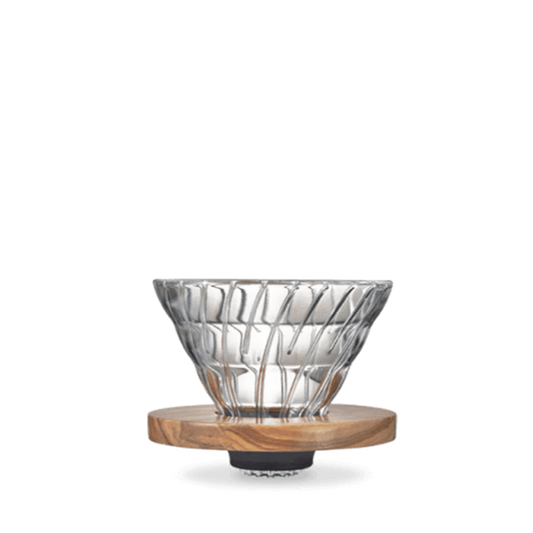
V60 Dripper - Wood
1-2 Cups, 1-4 CupsRegular price From $42.00 USDFrom $42.00 USD Regular priceUnit price per -
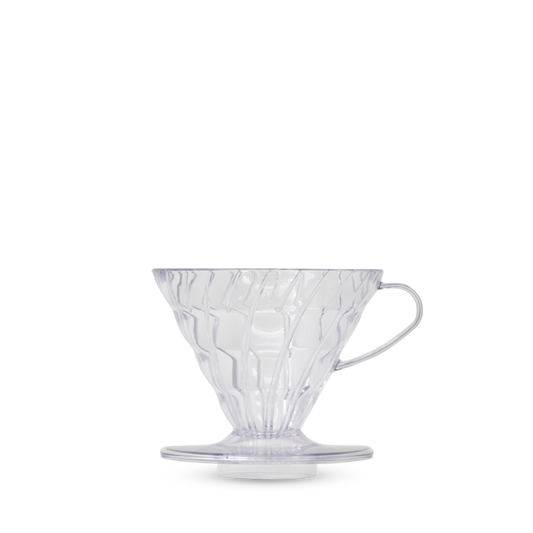
V60 Dripper - Plastic
1 Cup, 2 CupRegular price From $12.00 USDFrom $12.00 USD Regular priceUnit price per -
V60 Dripper - Switch
Regular price $44.50 USD$44.50 USD Regular priceUnit price per -
Cafec ABACA Filter Paper
1 Cup, 4 CupRegular price $10.00 USDBuy 3 save 10%$10.00 USD Regular priceUnit price per -
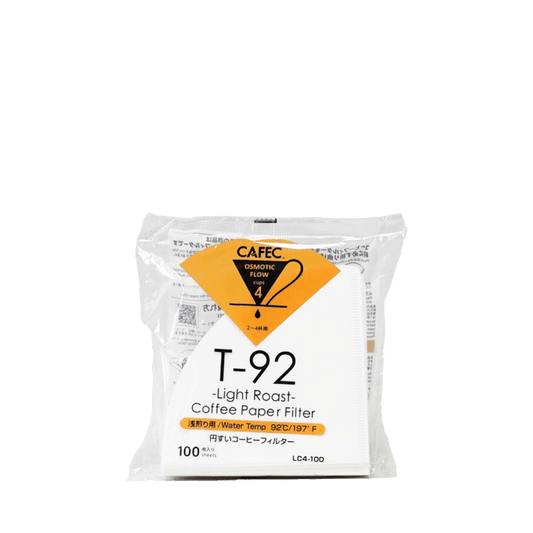
Cafec Light Roast Paper Filter
1 Cup, 4 CupRegular price $11.00 USD$11.00 USD Regular priceUnit price per -
ZeroWater Pitcher
1.7LRegular price $29.00 USD$29.00 USD Regular priceUnit price per -
ZeroWater Replacement Filters
Regular price $39.00 USDBuy 3 save 10%$39.00 USD Regular priceUnit price per -
Mineral Drops
Regular price $35.00 USD$35.00 USD Regular priceUnit price per -
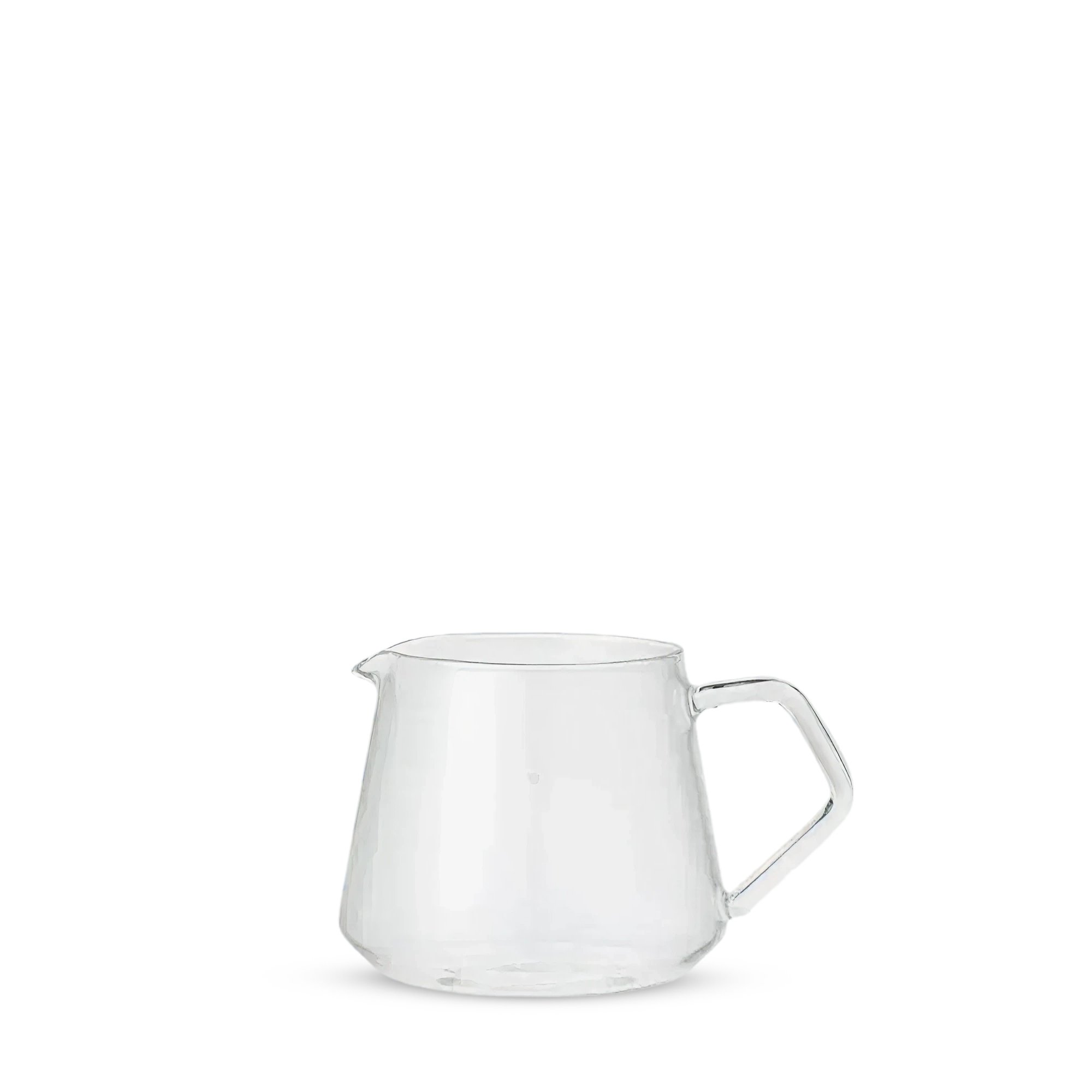
Kinto Coffee Server
2 Cups, 4 CupsRegular price From $14.00 USDFrom $14.00 USD Regular priceUnit price per -
 Sold out
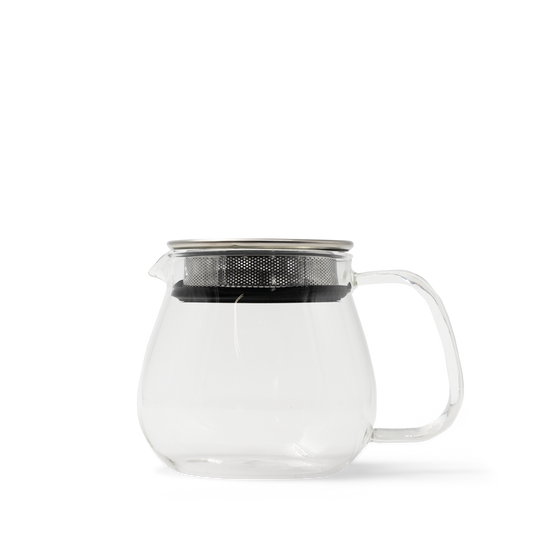
Kinto Unitea Server
460mlRegular price $29.00 USD$29.00 USD Regular priceUnit price per -
Sepia Kinto Coffee Server
300ml (10oz), 600ml (20oz)Regular price From $28.00 USDFrom $28.00 USD Regular priceUnit price per